“China” (1983) – Red Rockers


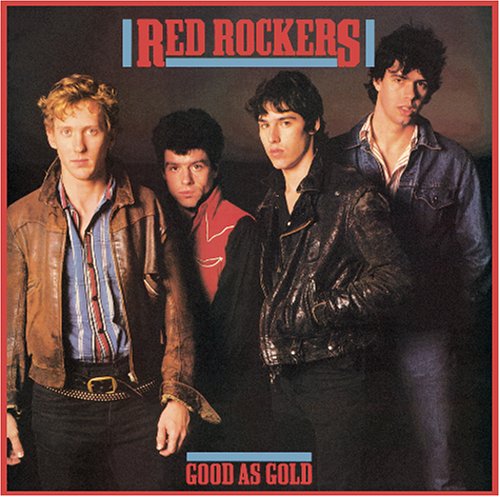
“China” (1983) – Red Rockers * Written by Red Rockers * Produced by David Kahne * LP: Good as Gold * Label: Columbia/415 * Charts: Billboard Hot 100 (#53)

Red Rockers made convincing, menacing noise as a New Orleans punk quartet. Named after a song title by Los Angeles’ very red Dils (“I Hate the Rich,” “Class War”), their 1981 “Guns of Revolution” paid proper tribute, at least, to the anti-capitalist sentiment of their chosen genre. By 1983 they had signed with the San Francisco label 415, which was becoming synonymous with the sound of resounding guitars. Producer David Kahne heard radio potential in their song “China” and hunkered down in the studio, crafting a milder, melody-conscious product that would appall their core audience but charm hit radio program directors. With its yangqin-like guitar lines and yearning refrain, the song came off as sincere, and not at all like the sell-out its MTV presence and musical gear-shift suggested. Those “calling out to a mystery” words in the chorus seemed to announce that Red Rockers were playing the experimentation card in their new phase, toying with a new, more abstract “redness” that would also excuse them, thankfully, from overdoing it with stereotypical orientalisms. Although lead singer John Thomas Griffith kept busy with Cowboy Mouth after Red Rockers folded in the mid-eighties, his clear charisma on “China” gives the track a certain lost-promise aura.

“Rock Against Romance” (1981) – Holly and the Italians


“Rock Against Romance” (1981) – Holly and the Italians
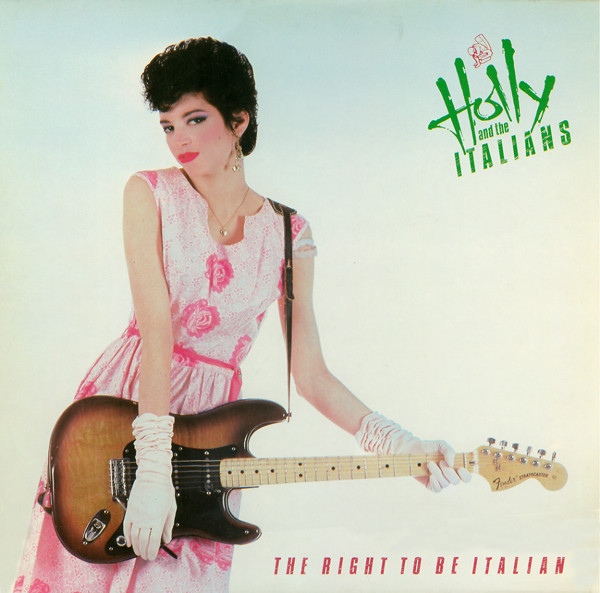
 * Written by Holly Beth Vincent * LP: The Right to Be Italian * Produced by Richard Gottehrer * Label: Epic

The cover photo on Holly and the Italians’ debut album, depicting Holly Beth Vincent as some sort of eighties-rock Connie Francis, misrepresents the enduring appeal she could have on listeners. So, too, does “Tell That Girl to Shut Up,” the album’s best-remembered song that once earned her group a touring gig as openers for “Rip Her to Shreds” Blondie. A better representation is “Rock Against Romance,” the album’s last song, that engulfs you in teen symphonics and gives you a clear sense of Vincent’s urban Ronettes/Shangri-Las foundation. Better still is her performance of the song on the British Old Grey Whistle Test show, playing lead guitar, standing on a plastered leg, and looking like the real deal.

“Letter from Hiro” (1980) – The Vapors

“Letter from Hiro” (1980) – The Vapors * Written by David Fenton * LP: New Clear Days * Produced by Vic Coppersmith-Heaven * Label: United Artists (UK)/Liberty (US)

England’s Vapors released one of their era’s most satisfying power pop albums with New Clear Days, but the novelty notoriety of “Turning Japanese” overshadowed it and likely shortened the band’s lifespan. That song was too clever—a nuanced self-identity exercise that translated to the masses strictly as cultural mockery. The album ends, though, with a six-plus-minute track called “Letter from Hiro” that handles the Japanese theme with comparative sensitivity. The koto in the outro (playing notes in the ryosen scale) has an emotional effect directly opposed to the brazen oriental riff that opens up “Turning Japanese.” The sequence that closes “Letter to Hiro” probably seeped into Fleetwood Mac’s “Gypsy” during a time when Lindsey Buckingham was scarfing down new wave records. (On the US version of New Clear Days, “Letter from Hiro” ends side one.)

“My Head Is a Drum” (1984) – What Is This

“My Head Is a Drum” (1984) – What Is This * Written by Hillel Slovak and Michael Tempo * EP: Squeezed * Produced by David Jerden * Label: San Andreas/MCA

The same wind blowing down LA’s Melrose Avenue that turned up the Red Hot Chili Peppers and Burning Sensations, among others, brought forth the band What Is This. Their debut EP, though, has never been reissued and preserves the cool aura of fidgety, early eighties indie rock. Its two standout songs—”My Mind Have Still I” and “My Head Is a Drum”—both addressed cranial matters and were the brain children of guitarist Hillel Slovak, who’d later gain a higher profile with the Chili Peppers but would succumb to a heroin addiction in 1988. Of those two songs, “My Head Is a Drum” transforms What Is This’s herky-jerky sound into more of a Carribean rhythmic joyride that seems like appropriate output from a beach town like theirs. Alain Johannes (vocals) and Jack Irons (drums) would both pursue active decades-long music careers.

“After the Roses” (1980) – Kenny Rankin


“After the Roses” (1980) – Kenny Rankin
 * Written by Kenny Rankin and Teddy Costa * LP: After the Roses * Produced by Don Costa * Label: Atlantic

The jazzy Manhattan singer-songwriter Kenny Rankin took the candlelight dinner route on his After the Roses LP, with its Don Costa string arrangements and tuxedo photo on the back. Its spare title track, though, is the one that lingers, thanks to the suspended-chord musical uncertainty that fits his insecure words like a wrinkled tailored shirt. “I’ve been talking to myself again,” he sings at the 39-second mark, immediately after an endearing guitar flub.

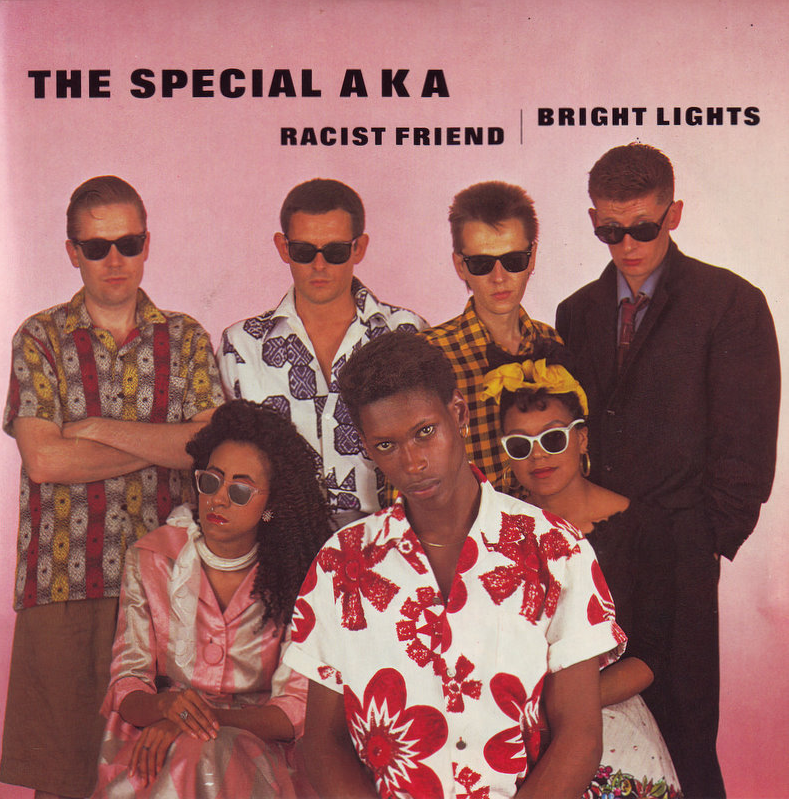
“Racist Friend” (1983) – The Special AKA


“Racist Friend” (1983) – The Special AKA
 * Written by Dick Cuthell, Jerry Dammers, and John Bradbury * 45: “Racist Friend” / “Bright Lights” * LP: In the Studio (1984) * Produced by Dick Cuthell and Jerry Dammers * Label: Two-Tone

With its loping reggae stride and crystal clear message (“If you have a racist friend, now is the time for your friendship to end”), this 1983 single by the Specials’ post-Terry Hall incarnation was built for mnemonic efficiency. Contrary to songs like Wilbert Harrison’s oft-covered “Let’s Work Together,” “Racist Friend” presents an approach to social synergy that speaks to those of us who know certain levels of futility when we see them.

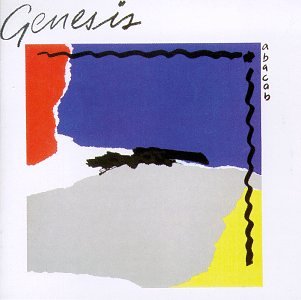
“Abacab” (1981) – Genesis


“Abacab” (1981) – Genesis
 * Written and produced by Mike Rutherford, Phil Collins and Tony Banks * 45: “Abacab” / “Another Record” * LP: Abacab * Label: Charisma (UK)/Atlantic (US)

The generation of males who flashback to junior high at the sound of this song’s opening pulse could fill many stadiums. For them, the entire Abacab album represents the last of the tolerable Phil Collins recordings. Its sci-fi synth-blasts, sexually-frustrated lyrics, and prog-tech vibe played well with them as teens, but Collins’s output as an aggressively marketed adult contemporary radio mascot subsequently bypassed the entire male 12-25 demographic.

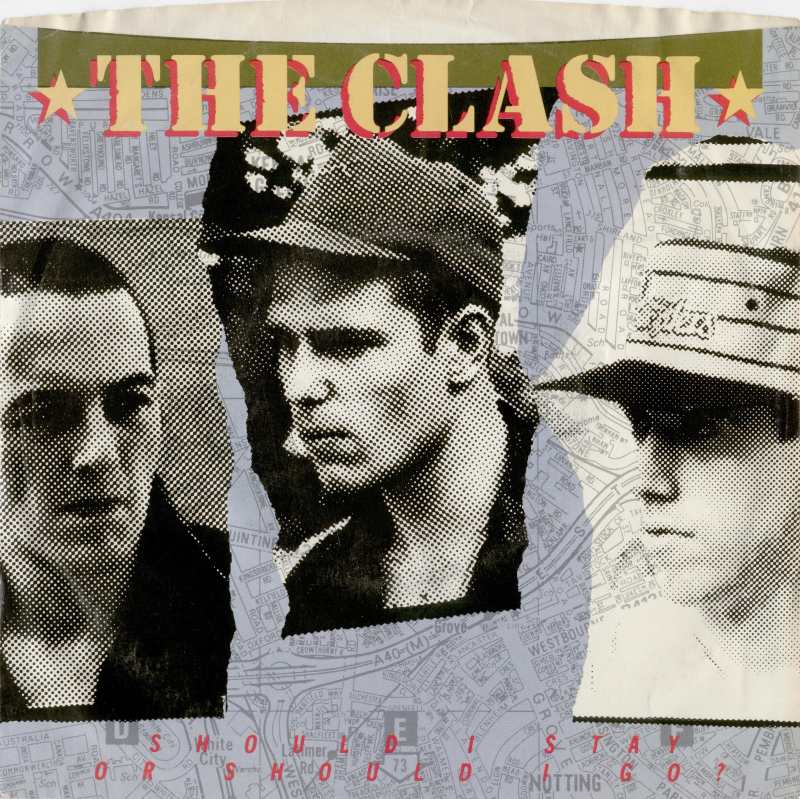
“Should I Stay or Should I Go” (1982) – The Clash


“Should I Stay or Should I Go” (1982) – The Clash
 * Written and produced by the Clash * 45: “Should I Stay or Should I Go” / “Cool Confusion” (b-sides varied after first issue) * LP: Combat Rock * Label: CBS (UK)/Epic (US)

Heavy rotation inconsequence (falling short of the Top 40 in its day) that nonetheless became consequential, managing to maintain, in the present, the don’t-give-a-f*ck attitude that first hooked teenage boys in the early eighties. The song became an instant staple among non-metal garage band kids who never looked as serious as the Ayn Rand characters on the single’s European picture sleeve. Oddly enough, the Big Boy restaurant franchise resisted using the song during its 1984 “Should He Stay or Should He Go” mascot campaign, although TV-stink finally did get all over it when a 1992 Levi’s commercial propelled it to #1 in the UK. The song remains a lawsuit candidate for its reliance on John’s Children’s “Let Me Know,” which probably lifted from the Spencer Davis Group’s “High Time Baby,” which probably lifted from the Righteous Brothers’ “Little Latin Lupe Lu.”

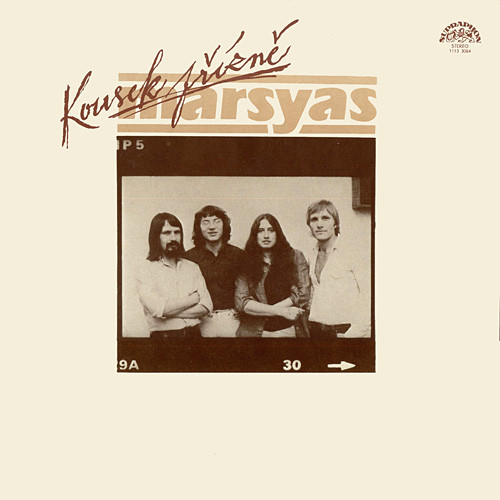
“Studená Koupel” (1982) – Marsyas

“Studená Koupel” (1982) – Marsyas * Written by Greg Lake and Zuzana Michnová * Produced by LP: Kousek Přízně  * Label: Supraphon
 

Named after the Greek mythological figure who challenged Apollo to a flute contest, the Czech folk-rock group Marsyas’s debut LP appeared in 1978 and they’ve recorded a few live reunion albums in recent years. Their second album (Kousek Přízně from 1982), contains a soothing, organic cover version of Emerson, Lake and Palmer’s “From the Beginning” that sounds as though Crosby, Stills, and Nash could have consulted on the vocal arrangement. From what I gather, the words’ meanings are quite different from the original, with the title translating to “cold bath.”

“Dum Dum Girl” (1984) – Talk Talk

“Dum Dum Girl” (1984) – Talk Talk * Written by Mark Hollis and Tim Friese-Greene * 45: “Dum Dum Girl” / “Without You” * LP: It’s My Life * Produced by Tim Friese-Greene * Label: EMI

The year 1984 seemed to be Talk Talk’s most cheerful one, in which the pop world these future post-rock icons inhabited made them laugh in a way it couldn’t make them do in later years. All three of the Tim Pope-directed videos for their It’s My Life album (“Such a Shame,” “It’s My Life” and “Dum Dum Girl”) show them making fun of the music video idiom. For the pensive “Dum Dum Girl,” a “first take” goof-off became more familiar (and effective) than the official video. Or was that the plan all along?