
 “My Head Is a Drum” (1984) – What Is This * Written by Hillel Slovak and Michael Tempo * EP: Squeezed * Produced by David Jerden * Label: San Andreas/MCA
The same wind blowing down LA’s Melrose Avenue that turned up the Red Hot Chili Peppers and Burning Sensations, among others, brought forth the band What Is This. Their debut EP, though, has never been reissued and preserves the cool aura of fidgety, early eighties indie rock. Its two standout songs—”My Mind Have Still I” and “My Head Is a Drum”—both addressed cranial matters and were the brain children of guitarist Hillel Slovak, who’d later gain a higher profile with the Chili Peppers but would succumb to a heroin addiction in 1988. Of those two songs, “My Head Is a Drum” transforms What Is This’s herky-jerky sound into more of a Carribean rhythmic joyride that seems like appropriate output from a beach town like theirs. Alain Johannes (vocals) and Jack Irons (drums) would both pursue active decades-long music careers.
“Alley Oop” (1961) – The Hollywood Argyles
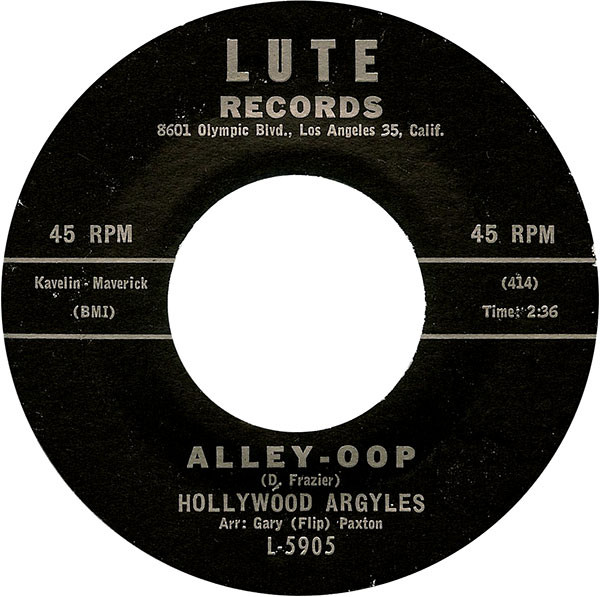
“Alley-Oop” (1961) – The Hollywood Argyles * Written by Dallas Frazier * 45: “Alley Oop” / “Sho’ Know a Lot About Love” * Arranged by Gary (Flip) Paxton * Label: Lute
Inspired by the neanderthal comic strip that first appeared in newspapers in 1932, “Alley-Oop” trudged all the way to Billboard‘s #1 slot with the sort of inspired dementia that’s crucial to pop music’s very vitality. The record came to life thanks to the team of Gary Paxton, who is credited on the label as arranger, and LA pop scenester/dark lord Kim Fowley, whom Paxton has credited as co-producer (although he doesn’t appear on the label). Written by future Nashville Songwriter Hall of Famer Dallas Frazier, the record especially benefited from Paxton’s bored hepcat vocal, which increased in brilliance as the song faded (“Heil dinosaw-wuh”). Although an alternate story that a Rochester poet named Norm Davis actually did the vocal in Las Vegas has gotten legs, other Paxton tracks, such as one called “Spookie Movies,” contain a voice that matches the Hollywood Argyles record, while a comparison with Davis’s speaking voice doesn’t hold up.
“They Long to Be Close to You” (1979) – Jimmy “Bo” Horne
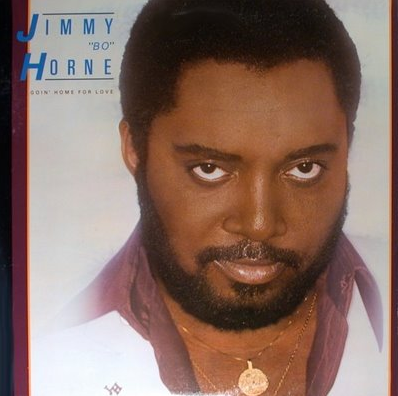
“They Long to Be Close to You” (1979) – Jimmy “Bo” Horne * Written by Burt Bacharach and Hal David * 45: “You Get Me Hot” / “They Long to Be Close to You” * LP: Goin’ Home for Love * Produced by Harry Wayne Casey and Richard Finch * Label: Sunshine Sound Disco
Produced by the Sunshine Band’s KC and Richard Finch, this disco-era version of the Burt Bacharach-Hal David standard will carry you off on a love cloud if you keep listening until the glockenspiel motif comes in at 2:50. Although Horne—who first made his mark with the 1975 bubblegum soul hit “Gimme Some”—appears cagey on the album cover, he sings his heart out, then drifts into spoken Isaac Hayes territory for the outro.
“I Want to See Him” (1967) – The Famous Davis Sisters
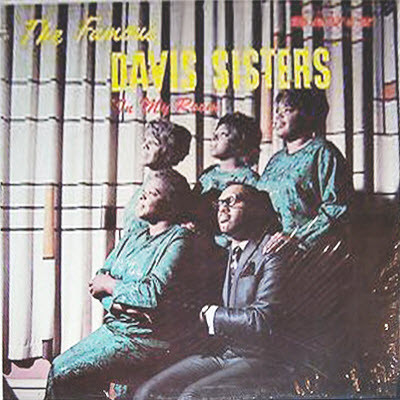
“I Want to See Him” (1967) – The Famous Davis Sisters * Written by Rufus H. Cornelius * LP: In My Room * Label: Savoy
In Ruth “Baby Sis” Davis, this Philadelphia gospel group had a lead singer with the sort of command that could calm a storm but also stir one up. This version of the 1916 Rufus H. Cornelius hymn came out in 1967, and although it’s not clear if it’s a recording that had gotten into Mick Jagger’s head for the Stones’ “I Just Want to See His Face,” it would speak well of him if it was.
“Ta Mesiméria Tis Kyriakís” (1973) – Manolis Mitsias
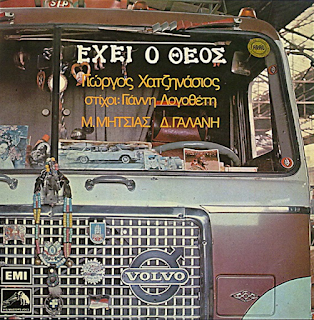
“Ta Mesiméria Tis Kyriakís” (1973) – Manolis Mitsias * Written by Giorgios Hatzinasios and Yiannis Logothelis * Arrangements by Giorgios Hatzinasios * LP: Echei o Theos * Label: His Master’s Voice
Something you see a lot of in Greek laika (popular folk) music—maybe more than in any other genre—are albums that bill the songwriters above the singers. The 1973 album Echei o Theos (God willing), for example, features the voices of Manolis Mitsias and Demetra Galani, but it’s the songwriters Giorgios Hatzinasios (music) and Yiannis Logothelis (lyrics) you see listed first. On the song “Ta Mesiméria Tis Kyriakís” (Sunday afternoons), the value of songwriters in Greek culture gets further emphasis when Mitsias sings of relaxing to the songs of rebetiko pioneer Markos Vamvakaris.
“My Way” (1969) – Frank Sinatra
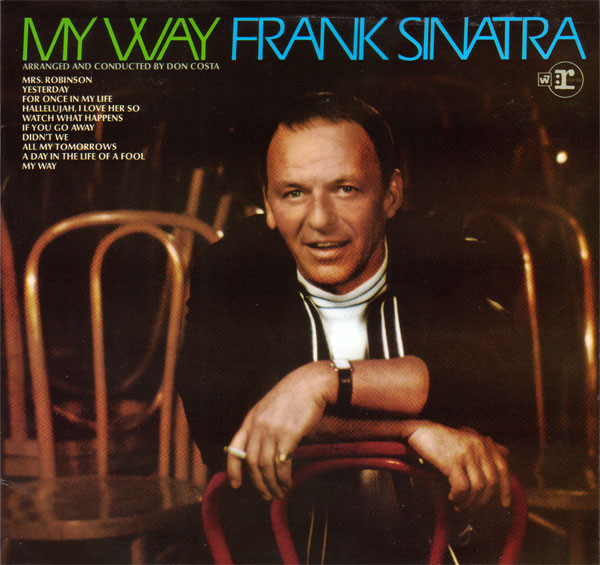
“My Way” (1969) – Frank Sinatra * Written by Claude Francois, Gilles Thibaut, Jacques Revaux, Paul Anka * LP: My Way (Reprise, 1969) * 45: “My Way”/”Blue Lace” (Billboard #27, easy listening #2) * Produced by Sonny Burke * Arranged by Don Costa
Paul Anka took a melody from a song he’d heard in France and wrote the lyrics of a lifetime for Frank Sinatra, who had mentioned to Anka he was thinking of retiring. The song became something of a signature ball and chain for Sinatra, who kept on performing long past 1969. (Had he known “My Way” would someday turn into a deadly machismo-measuring tool in Filipino karaoke bars, he might have scrapped it altogether.) Sinatra famously insisted on doing his vocals in one take, which adds a fascination factor to his records. On this otherwise iconic version of “My Way,” though, the spell gets broken because of an obvious splice after the first chorus at 2:26.
“Ouda” (1992) – Hamied El Shaeri
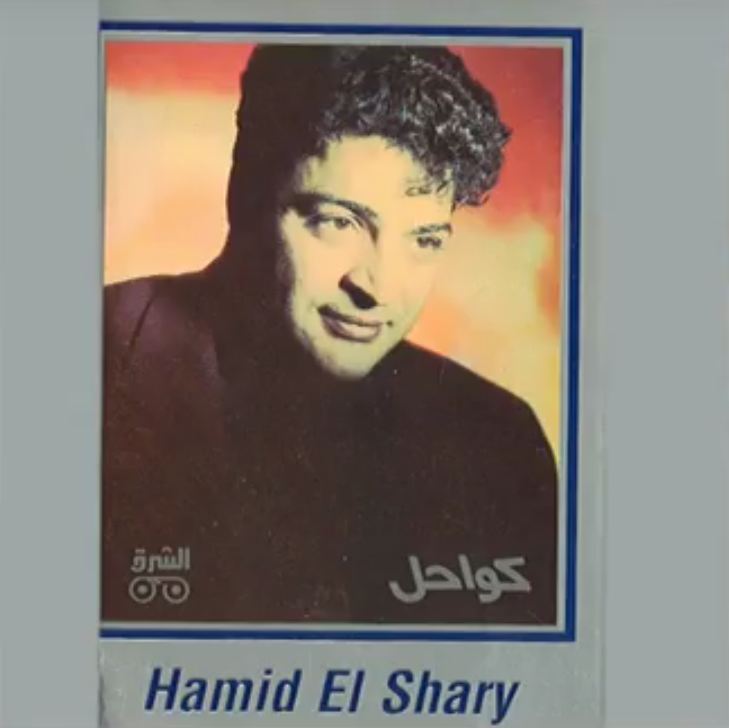 “Ouda” (1992) – Hamied El Shaeri * Written by Mostafa Amar and Sameh al-Agami * LP: Kawahel * Label: Rotana
A Libyan exile based in Cairo, Hamied El Shaeri (this spelling seems more common than the one on the cassette cover above) had been an outspoken voice of protest against the actions of Muammar Gadaffi at the expense of Libyan citizens. His music is essentially pop fare with romantic lyrics and Western influences, but coming from a land where non-native musical instruments were once piled up and burned, such a specialty rings with a certain political defiance. His gentle 1992 hit “Ouda” (return), with its whispery voices and acoustic guitars playing major 7th chords, has a way of wafting through listeners’ minds with universal appeal. Although El Shaeri has also developed a reputation as a songwriter, this one was written by the Egyptian musician and actor Mostafa Amar—who’s associated himself with Spanish guitar—along with lyricist Sameh al-Agami. (The album title Kawahel translates to “as a camel.”)
“Blame Mary Jane” (1990) – Lloyd Cole
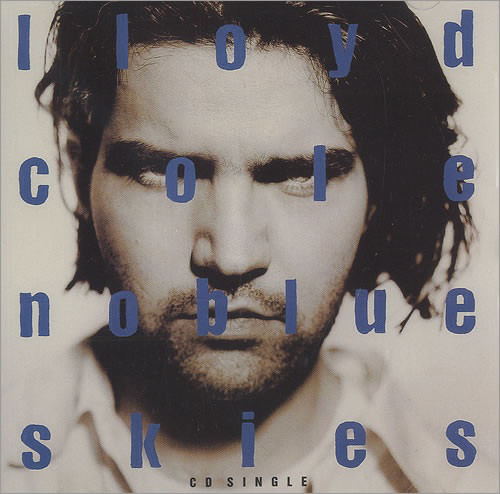 “Blame Mary Jane” (1990) – Lloyd Cole * Written by Lloyd Cole and Blair Cowan * CD single: “No Blue Skies” / “Blame Mary Jane” / “Witching Hour” * Produced by Lloyd Cole, Paul Hardiman, and Fred Maher * Label: Capitol
The first solo album for Scotsman Lloyd Cole showcases his expatriate New York-rocker persona, his good recording taste (including Robert Quine’s distinctive guitar work), and his urbane songwriting all gelled up into an enduring whole. Dylan Jones, in his Biographical Dictionary of Popular Music, depicts the 1990 Cole as a “troubled soul” with “unfulfilled promise” who spent his days shooting pool at blue-collar bars. This turned out to be just a phase, apparently, that Cole would write about in a 2001 song called “Tried to Rock.” Such forays into image, though, can keep resonating for audiences. Cole’s “Blame Mary Jane,” a B-side from that era, may as well have been the theme song for the man Jones was describing, but in the discouraging political present, its attitude and words are liable to run through one’s mind daily: “I’m gonna close my eyes to the morning papers / Shut my ears to the news / I’m gonna lose my soul in the lonesome afternoon.”
“Garrib Tigy” (2009) – Ahmad Fathid

“Garrib Tigy” (2009) – Ahmad Fathi * CD: Akher El Akhbar * Label: Rotana
Without previous familiarity with Yemeni oud master Ahmad Fathi, you might not suspect the music on this dance pop track to be the work of a virtuoso. Fathi is a triple threat, though: a respected musician, a singer on many Arabic pop market recordings, and a composer whose operetta “Children of the World” set music to words by Syrian poet Mahmoud Yassin. Fathi is a tad older than he looks on the cover (born in 1957); his daughter Bilquis is an up-and-coming singer. “Garrib Tigy” is a true pop song title, translating roughly to “come on and try it.”
“Canção Aranha” (2016) – Deolindo
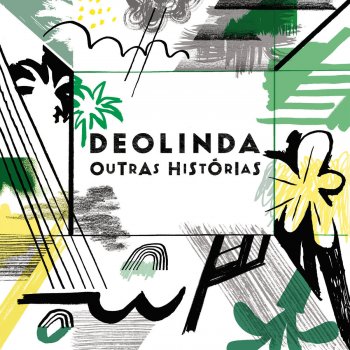
Deolindo – “Canção Aranha” (2016) * Written by Pedro Da Silva Martins * LP: Outras Histórias * Produced by Deolinda and João Bessa
A “spider song” equating the musical webs that draw in listeners with the art of weaving social webs to ensnare lovers. The song’s melodic stickiness backs it up with thematic assurance. Based in Lisbon, Portugal, Deolinda is a “new fado” band who draws from all of the fado genre’s familiar aural pleasures while veering away from its trademark melancholia. Outras Histórias is their fourth album.