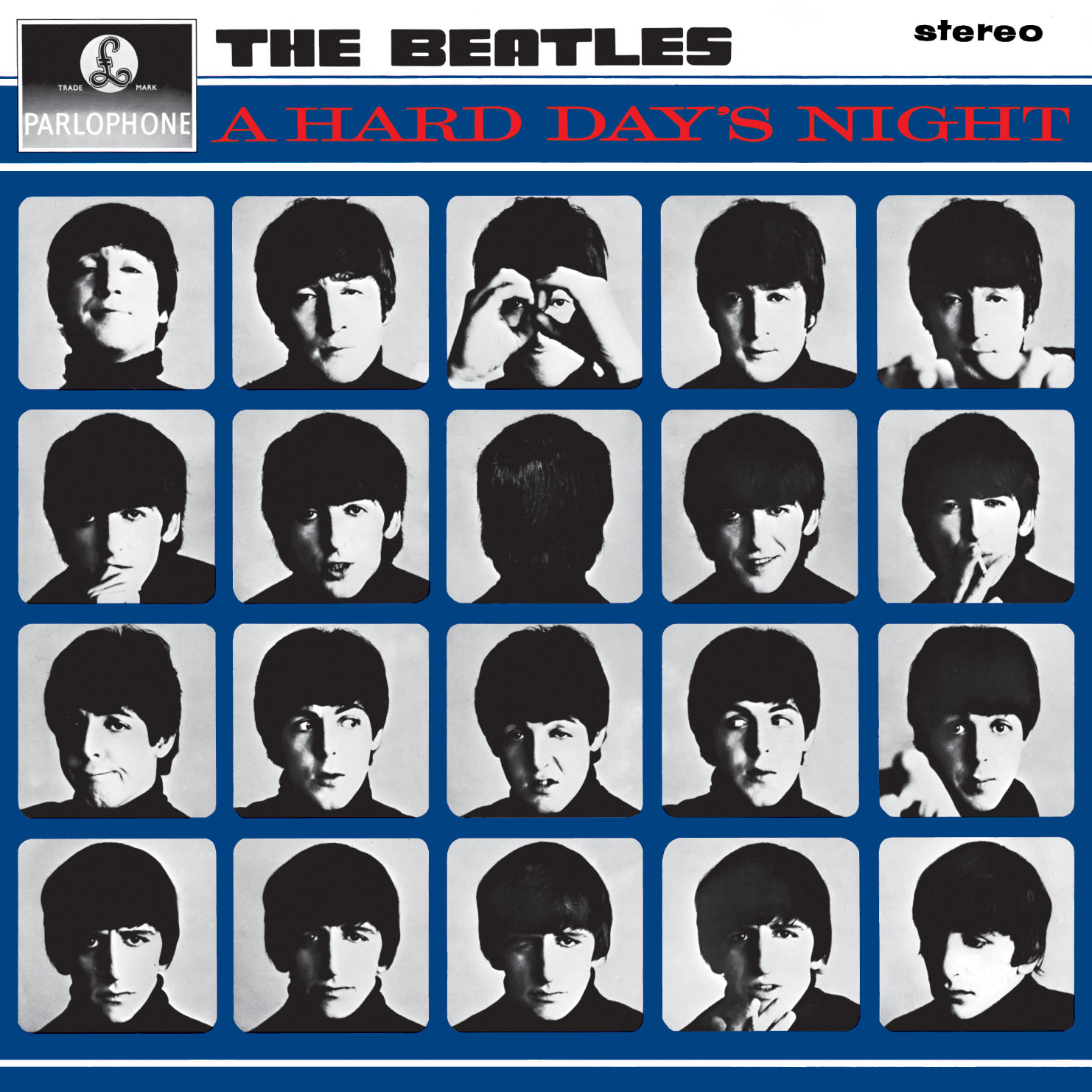
“I’ll Be Back” (1964) – The Beatles

Kim J Simpson's Record Commentaries


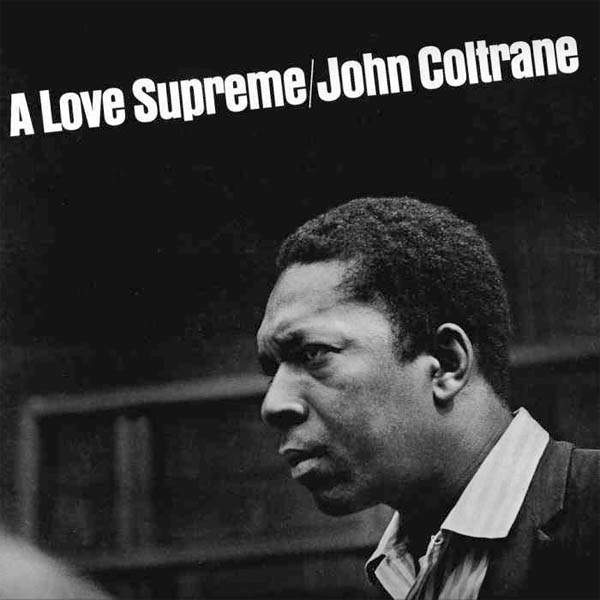
“Acknowledgment” (1964) – John Coltrane * Written by John Coltrane * LP: A Love Supreme * Producer: Bob Thiele * Label: Impulse
All seven-plus minutes of the opening track on John Coltrane’s heady jazz touchstone A Love Supreme sound like the prelude to something big. The album is a four-part suite, like an Indian raga. When “Acknowledgment” begins with Coltrane’s sax sounding like the calls of some mythological bird, one envisions temple gates swinging open, audiences kneeling, and presentations of floral offerings. Then Jimmy Garrison’s bass groove floats in, after which the improv gushes forth like expressions of devotion, and the “love supreme” chant brings it all to a mystical fade. It’s only the intro, but you’ll remember it as the album’s heart. (McCoy Tyner: piano; Elvin Jones: drums.)

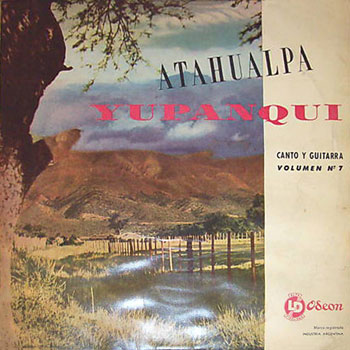
“Los ejes de mi carreta” (1960) – Atahualpa Yupanqui * Written by Romildo Risso and Atahualpa Yupanqui * LP: Canto y guittara, no. 7 (Argentina) * Label: Odeon
Adopting the names of two Incan kings for himself, Atahualpa Yupanqui (Hector Roberto Chavero Aramburo) was one of Argentina’s top-tier troubadours whose somewhat complicated political history never compromised his humanistic messages. “Los ejes de mi carreta” (“The Axles of My Cart”) is a poem by Uruguayan poet Romildo Risso that Yupanqui set to music. “Because I do not grease the axles I am called a fool,” go the words, taking the point of view of a wagon-toting worker. “[But] it is far too boring to follow the track with nothing to entertain me.”

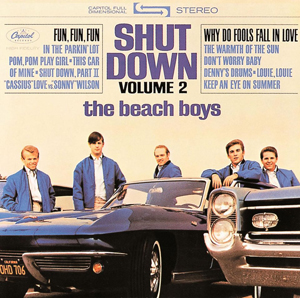
“Shut Down, Part II” (1964) – The Beach Boys * Written by Carl Wilson * LP: Shut Down Volume 2 * Produced by Brian Wilson * Label: Capitol
The Beach Boys circa 1963-64, with young guitar sharp David Marks on board, could showcase slick guitar instrumentals, and the title track (sorta) of the Shut Down Volume 2 album was the last of its kind in the band’s catalog. Although he was out of the band by the time of the cover shoot and although it’s not clear if he actually played on this song, Marks’s marks are all over it. The only direct similarity between “Shut Down, Part II” and “Shut Down” are the sax blasts that lead off the former but appear in the latter’s bridge.

“(Say I Love You) Doo Bee Dum” (1964) – The Four-Evers * Written by Steve Tudanger and Joe Di Benedetto * 45: “(Say I Love You) Doo Bee Dum” / “Everlasting” * Produced by Al Kasha * Label: Smash
This Brooklyn group’s name and sound play off of their models the 4 Seasons. Their eventual hookup with that group’s Bob Gaudio and producer Bob Crewe secured them a record contract. “(Say I Love You) Doo Bee Dum” would be their last single, though, and that knowledge gives it a special dose of sweet pain. The short instrumental break at 1:28 sparkles and yearns like the sun setting on Coney Island on the last day of summer. Peaked at #119 in Billboard.

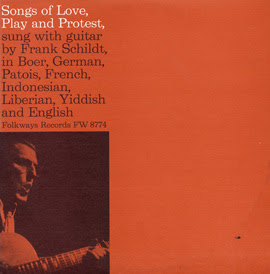
“Adam et Eve dans le Paradis” (1960) – Frank Schildt * Trad. Arr. * LP: Songs of Love, Play and Protest * Label: Folkways
Frank Schildt was a Dutch folksinger with a stentorian vocal delivery. All seven of the languages he uses on his only album, Songs of Love, Play and Protest, come at you full throttle. After moving to the US in the late fifties and working the folk scenes in New York and Chicago during the folk revival years, his activities go undocumented. One of the album’s clear highlights comes from the island of Martinique where, as he explains in the notes, the French missionaries found its inhabitants abiding in the nude. Charitable clothing donations were immediately sent for, leading to an eventual protest at mission HQ, in which the islanders, all sans vêtements, sang “Adam and Eve in paradise.” The lyrics, as Schildt translates them in his liner notes, go as follows: “Adam and Eve in paradise wore no clothes, so why should we wear them? Tonight we are going to dance with no shirts and pants.” Schildt delivers them here with the gusto of a dirty-minded schoolboy.

“Abigail Beecher” (1964) – Freddy Cannon * Written by Bob Boulanger and Richard Heard * 45: “Abigail Beecher” / “All American Girl” * LP: Freddie Cannon * Produced by Frank Slay * Label: Warner Bros.
In the style of Johnny Otis’s “Willie and the Hand Jive,” slinky voodoo guitar underscores Cannon’s raves about the high school history teacher, who knows all the dances, drives a Jaguar XK-E, and has the goods to be a rock ‘n roll singer. Such high school stomp-friendly vignettes from teenage life distinguished the man nicknamed “Boom Boom” from the other ducktailed singers all over the early sixties charts. Reached #16 on Billboard.

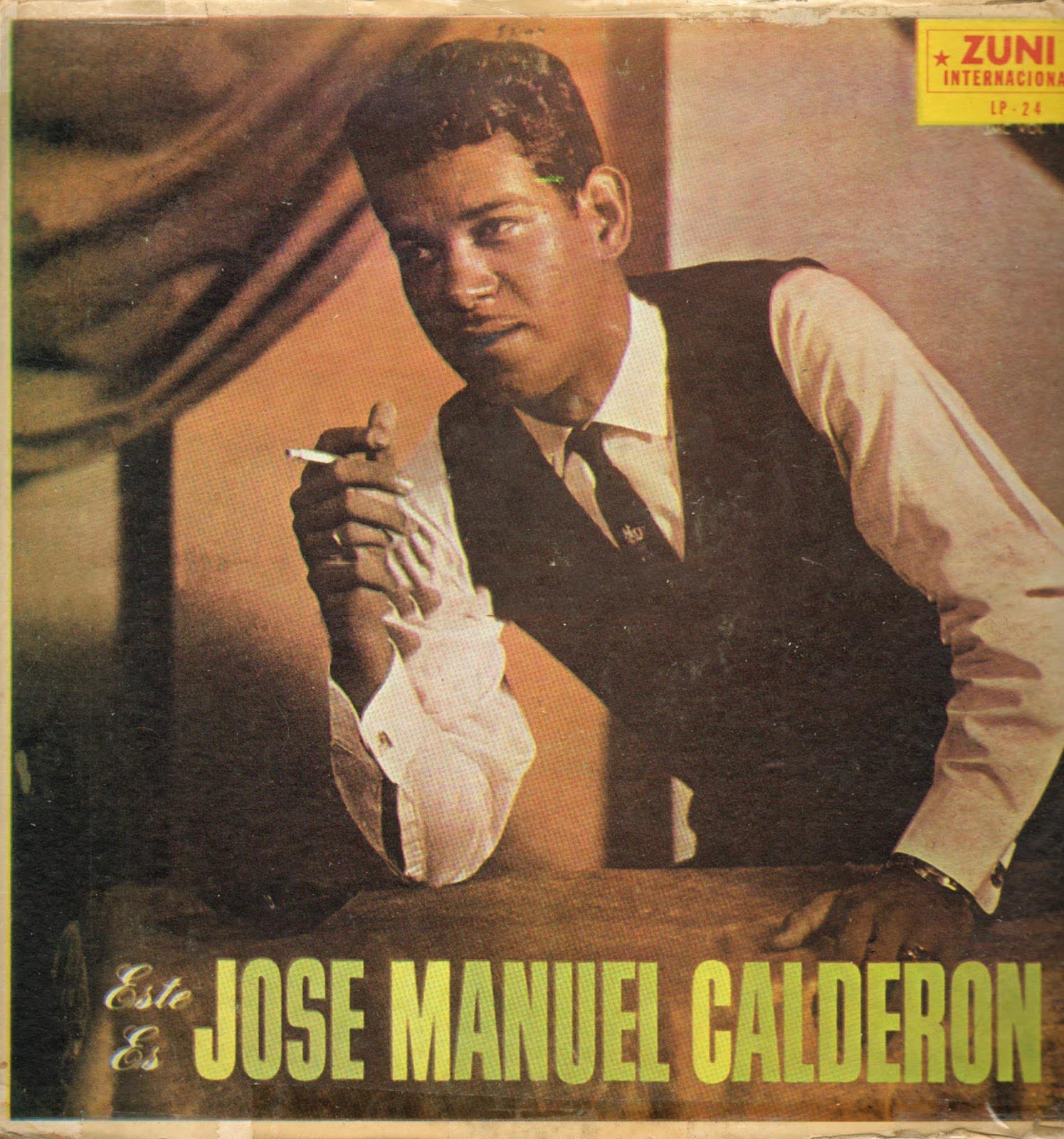
“Borracho de Amor” (1962) – José Manuel Calderón * Written by José Manuel Calderón * LP: Este es Jose Manuel Calderon * Label: Zuni
The guitar-oriented “bachata” sound, an offshoot of the bolero and son genres, rose up in the Dominican Republic with José Manuel Calderón’s popular 1962 “Borracho de Amor” (“love drunk”) single. Sadly for him, the music couldn’t shake a decades-long Dominican perception of it being the soundtrack of crime, which eventually drove a disheartened Calderón off to more supportive communities in New York City, where he still makes music. To appreciate “Borracho de Amor” fully, don’t go previewing and skipping around. Just let it play so you can experience the full effect of the pause at 1:17, after which Calderón’s vocals, suddenly intoxicated with reverb, sound like voices in your head.

“All Day and All of the Night” (1964) – The Kinks * Written by Ray Davies * 45: “All Day and All of the Night” / “I Gotta Move” * Produced by Shel Talmy * Label: Pye (UK)/Reprise (US)
Top Ten broken-bottle mod rock that, along with “You Really Got Me,” presents the Kinks as potentially more primal than anything the greasers (their first audience’s cultural rivals) listened to. This one did have deceptively sophisticated chord changes, though, giving many once-confident garage combos pause. By the late sixties the Kinks had matured into English gentlemen, for whom the line “the only time I feel alright is by your side” actually did seem believable. The song reappeared as a self-referential musical motif in the band’s 1981 FM rock hit “Destroyer,” which would chart higher (#3) than its source (#7).