“I Guess It’s a Beautiful Day Today” (1973) – Coven

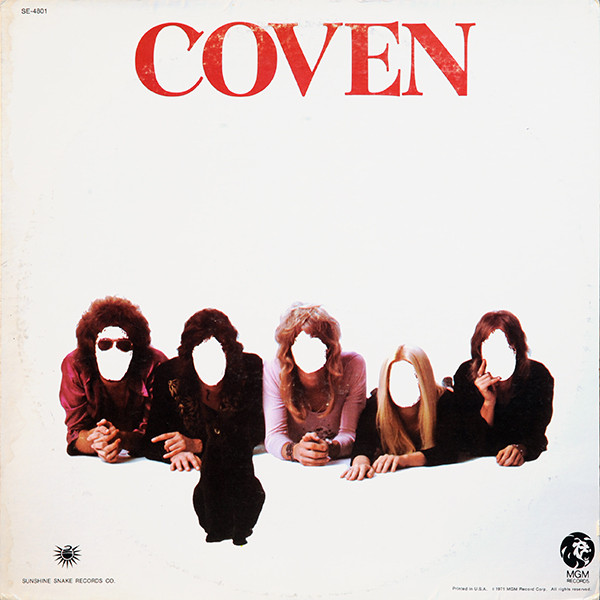
“I Guess It’s a Beautiful Day Today” (1973) – Coven * Written by Chris Neilsen * 45: “One Tin Soldier (The Legend of Billy Jack)” / “I Guess It’s a Beautiful Day Today” * LP: Coven * Produced by Frank Laughlin * Label: MGM

The strident “One Tin Soldier,” from the sleeper hit Billy Jack, had a complicated history, with as many as three issues of the single, all by Coven (not including a previous version by a group called The Original Caste), charting in the wake of the movie’s success. Although their first album had been a macabre occult outing called Witchcraft Destroys Minds and Reaps Souls that the Mercury label withdrew after negative publicity, Coven would tone it down a bit for eponymous album number two (but not enough to refrain from flashing the horns on the cover). It would appear on conservative Mike Curb’s MGM imprint, making them label mates with the Osmonds. Side B of the MGM issue of the single contained a refreshing country-rock change-up called “I Guess It’s a Beautiful Day Today,” written and sung by guitarist Chris Nielsen. The production credit of Frank Laughlin was likely used by Tom Laughlin, the film’s director, as a rights ploy; Frank was actually Tom’s son, and he would not yet have been old enough to drive, let alone produce a hit record. But you never know.
“Very Nice of You to Call” (1970) – Aardvark

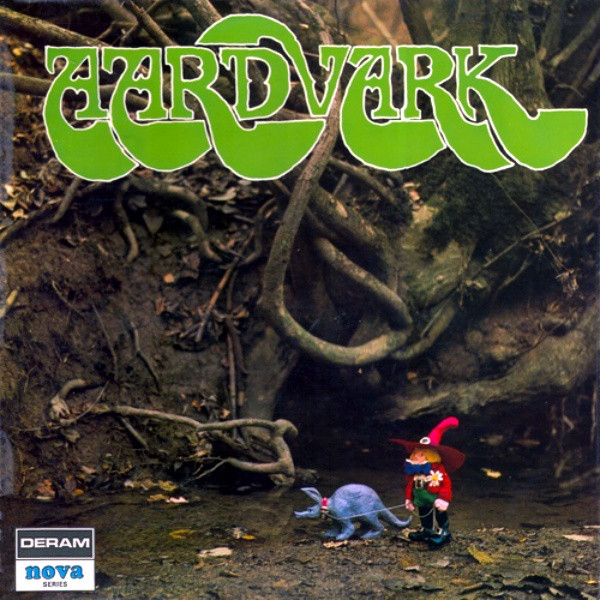
“Very Nice of You to Call” (1970) – Aardvark * Written by David Skillin * LP: Aardvark * Produced by David Hitchcock * Label: Deram Nova

A London prog band with no guitar, Aardvark (who once included Paul Kossoff and Simon Kirke of Free) released a lone album, and it mostly gurgled under heavy torrents of Hammond organ. The second track on side one, though, in spite of its ambiguous lyrics, glides into your memory banks on ruminative piano and handclaps, sounding more ’67 than ’70.

“Ta Mesiméria Tis Kyriakís” (1973) – Manolis Mitsias

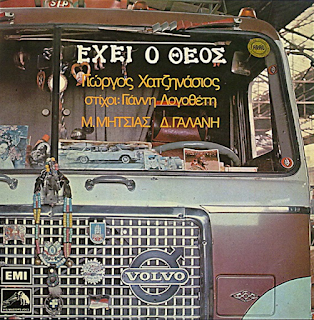
“Ta Mesiméria Tis Kyriakís” (1973) – Manolis Mitsias * Written by Giorgios Hatzinasios and Yiannis Logothelis * Arrangements by Giorgios Hatzinasios * LP: Echei o Theos * Label: His Master’s Voice

Something you see a lot of in Greek laika (popular folk) music—maybe more than in any other genre—are albums that bill the songwriters above the singers. The 1973 album Echei o Theos (God willing), for example, features the voices of Manolis Mitsias and Demetra Galani, but it’s the songwriters Giorgios Hatzinasios (music) and Yiannis Logothelis (lyrics) you see listed first. On the song “Ta Mesiméria Tis Kyriakís” (Sunday afternoons), the value of songwriters in Greek culture gets further emphasis when Mitsias sings of relaxing to the songs of rebetiko pioneer Markos Vamvakaris.

“Friends” (1971) – Buzzy Linhart


“Friends” (1971) – Buzzy Linhart
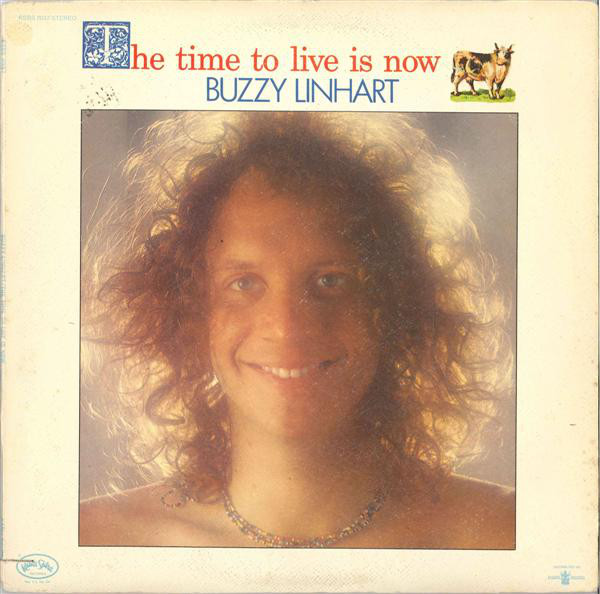
 * Written by Buzzy Linhart and Mark Klingman * LP: The Time to Live Is Now * Produced by Buzzy Linhart * Label: Kama Sutra

“Friends” became a show staple for Bette Midler and a highlight on her 1972 Divine Miss M debut album. It also became familiar enough as a singalong number on seventies variety shows that when you hear the original rag-tag rendition, its introverted nature will likely surprise you. Linhart, who co-wrote the song with Mark Klingman, gives it a non-singer’s delivery which is kinda the point, evoking a sense of self-pity that later versions seemed to obscure. “I had some friends but they’re gone. Something came and took them away… I’m standing at the end of the road…waiting for my new friends to come…” But will they?

“Ain’t Understanding Mellow” (1972) – Jerry Butler and Brenda Lee Eager


“Ain’t Understanding Mellow” (1972) – Jerry Butler and Brenda Lee Eager
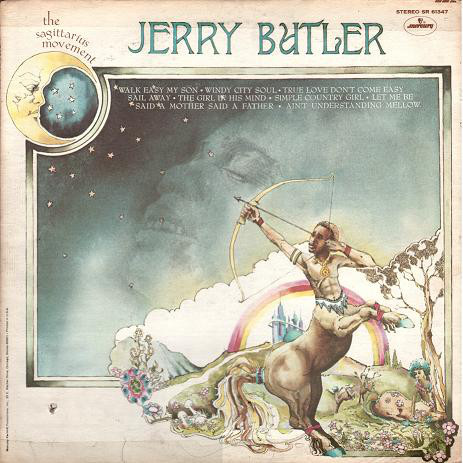
 * Written by Herscholt Polk and Homer Talbert * 45: “Ain’t Understanding Mellow” / “Windy City Soul” (Butler only) * LP: The Sagittarius Movement * Produced by Gerald Sims and Jerry Butler * Label: Mercury

Soft-soul tour de force written by Herscholt Polk and Homer Talbert in which the voices of “Iceman” Butler and Eager sail with grace over a bass-driven track, telling the story of a couple that not only resolves to stay friends after the woman confesses she loves another man but rejoices in their decision. It’s a change of pace from the early ‘70 heyday of cheatin’ soul, and it comes off redemptive enough to verge toward gospel.

“She’s a Lady” (1971) – Tom Jones


“She’s a Lady” (1971) – Tom Jones
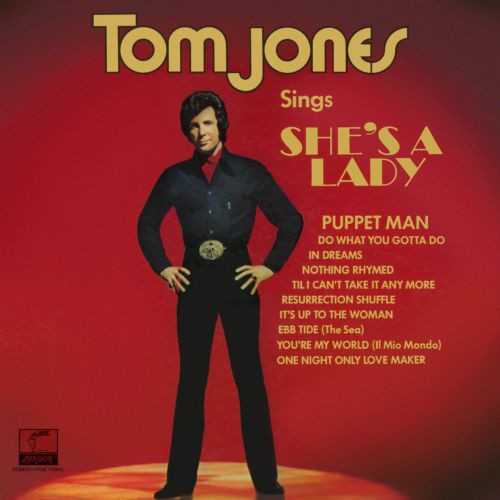
 * Written by Paul Anka * 45: “She’s a Lady” / “My Way” * LP: Tom Jones Sings She’s a Lady * Produced by Gordon Mills

Tom Jones’s biggest hit of the seventies—no. 2 on Billboard—distinguished itself by serving up the phrases “she always knows her place” and “she’s never in the way” during the glory years of women’s lib. Even so, its heavy airplay on easy listening stations indicated that the minor-key discotheque broiler likely had a wide female listenership and jibed with older generation values. Paul Anka, in his autobiography My Way, singles out the song as “chauvinistic” and his least favorite among everything he’s written. In a 2013 duet with Jones, he would alter the lyrics of the first verse. Jones’s version of “My Way” on side B of the original 45 turns the disc into something of an Anka tribute. (The She’s a Lady album cover presents Jones as fashion doll “Tom,” a friend of Barbie and rival of Ken.)

“Lambaya Puf De” (1973) – Barış Manço


“Lambaya Puf De!” (1973) – Barış Manço
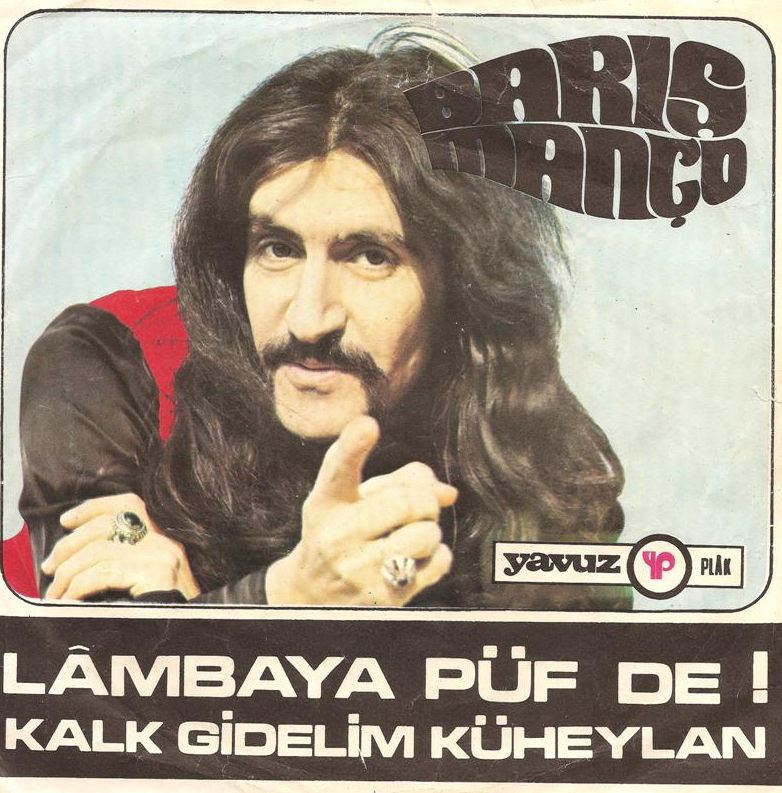
 * Traditional arrangement of “kolbasti” song by Osman Pehlivan * 45: “Lambaya Puf De!” / “Kalk Gidelim Küheylan” * Produced by Barış Manço * Label: Yavuz Plak

A celebrated rock ‘n’ roll pioneer in Turkey, Barış Manço essentially took his culture’s wandering minstrel tradition, grew its hair out, put rings on its fingers, and plugged it in. His “Lambaya Puf De” is a sexy hypnosis single from 1973 that translates to something like “blow the lamp out by going ‘poof’.” Turkish radio declared it too erotic-sounding for airplay, which prompted him to release an  instrumental version with kazoo and jaw harp in 1975 called “Tavuklara Kışt De” (say kshh to the chicken). Manço adapted the song from a melody popularized by the tanburist Osman Pahlivan called “Anadolu Kaşık Havası,” which has since surfaced with some regularity in recorded Turkish folk music. The label lists the song as a “kolbastı” dance song. That’s an acoustic Turkish saz you hear sizzling from start to finish.

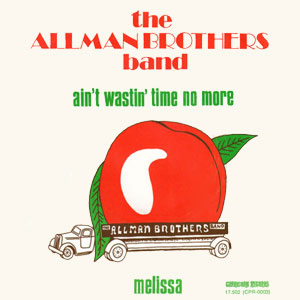
“Ain’t Wastin’ Time No More” (1972) – The Allman Brothers Band

“Ain’t Wastin’ Time No More” (1972) – The Allman Brothers Band * Written by Gregg Allman * 45: “Ain’t Wastin’ Time No More” / “Melissa” * LP: Eat a Peach * Produced by Tom Dowd * Label: Capricorn

This contemplative Allman Brothers anthem written by Gregg Allman is loaded with contextual poignancy in that it’s the leadoff track to Eat a Peach, the band’s first album after heroin rehab (for some of the members) and after losing guitarist Duane Allman to a motorcycle accident. In Alan Paul’s One Way Out: The Inside History of the Allman Brothers Band (2015), Gregg declares that writing this song was, in fact, his first response to losing his brother, which explains its unique balance of resignation and resolution.

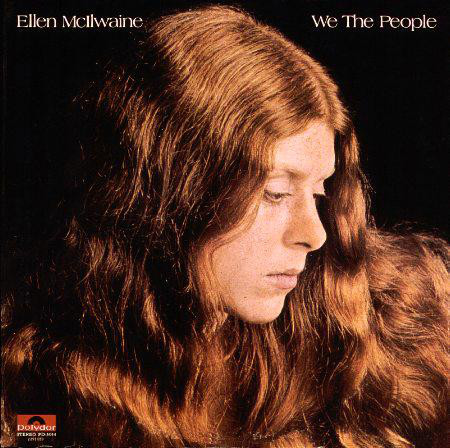
“Farther Along” (1973) – Ellen McIlwaine


“Farther Along” (1973) – Ellen McIlwaine
 * Traditional * LP: We the People * Produced by Peter K. Siegel * Label: Polydor

The widely-covered “Farther Along” has the sturdy simplicity of a traditional spiritual, but its roots go back no earlier than 1911, apparently. Wikipedia tells a tidy, unsourced story about its origins and copyrighted status, but a post at David’s Hymn Blog gives a more thorough overview. Although Ellen McIlwaine’s albums all showcase her formidable slide guitar chops, this version of “Farther Along,” from her early seventies We the People album, relies on her a cappella lead vocal bolstered up by the mighty Persuasions.

“Maybe I’m Amazed” (1970) – Paul McCartney


“Maybe I’m Amazed” (1970) – Paul McCartney
 * Written and Produced by Paul McCartney * LP: McCartney * Label: Apple

On one hand, Paul McCartney’s post-Beatles debut album (McCartney), with its homemade aura and willfully frivolous song selection, lifted a middle finger to the Beatle machinery and the pop music biz it propelled. On the other hand, it snuggled appropriately into its inward-looking era. “Maybe I’m Amazed” is the album’s deepest reacher, taking the crooning-then-wailing approach of Abbey Road‘s “Oh Darling” and letting McCartney’s heart do the rest. It became his solo album’s anchor, paying tribute to his new wife Linda who, as we’ve learned from bios and interviews, helped him through a gloomy, transitional time after the Beatles breakup. Tucked away as an album track on side 2, “Maybe I’m Amazed” could have been a big single, but McCartney opted not to release it as such. No matter – a live version became a radio smash seven years later.