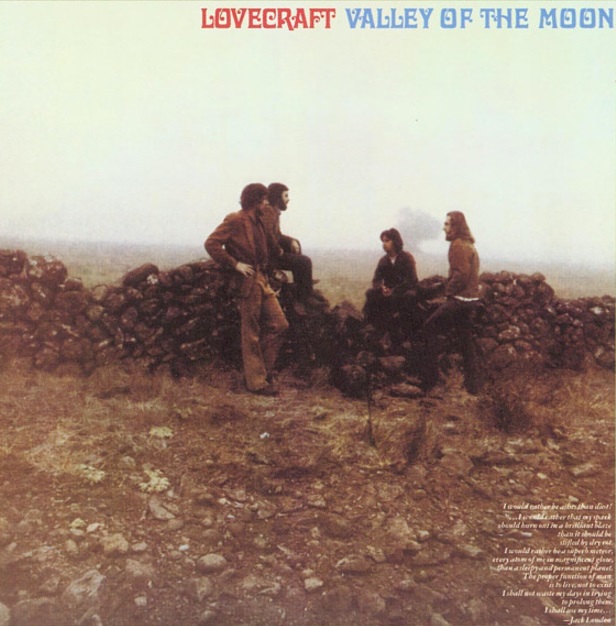
“Dawn” (1970) – Lovecraft

“Dawn” (1970) – Lovecraft * Written by Marty Grebb and Ken Wolfson * Produced by Lovecraft * LP: Valley of the Moon * Label: Reprise

After two albums, the psychedelic San Francisco-via-Chicago band H.P. Lovecraft, who had taken more than titular inspiration from the influential horror author, reinvented itself in 1970 as Lovecraft, with a personnel reshuffle bringing in former Buckingham Marty Grebb. Although their Valley of the Moon avoided the aural creepiness of their former incarnation, you could still detect a San Francisco rock hall vibe. The first section of the song “Dawn,” for example, borrows from the spacey, dangling guitar sound of pre-1970 Grateful Dead, with whom they’d shared the bill a time or two. Maybe the Dead’s Bob Weir took some inspiration from this song’s opening section for his distinctive “Playin’ in the Band” intro (introduced in 1971). Listen to the sequence at :43. “Dawn” can also be remembered for chiming in on Vietnam: “why do we fight this war of fools?”
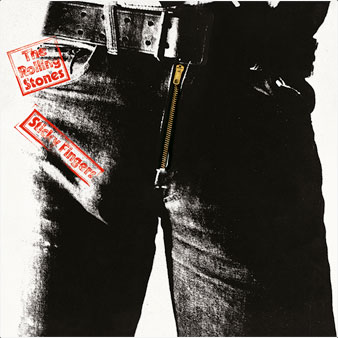
“Can’t You Hear Me Knocking (Alternate Version)” (2015) – The Rolling Stones

“Can’t You Hear Me Knocking (Alternate Version)” (2015) – The Rolling Stones * Written by Mick Jagger and Keith Richard * CD: Sticky Fingers (Deluxe Edition) * Produced by Jimmy Miller * Label: Rolling Stones Records

Never released as an edited single, “Can’t You Hear Me Knocking” became an album rock radio staple with its jagged guitar + Jagger vocal bursts. The song’s second section took shape as a four-minute jam, though, sounding like the kind of background incidental music earmarked for countercultural scenes in early seventies TV cop shows. (Featured soloists: Bobby Keys, Mick Taylor, and Billy Preston.) The 2015 deluxe edition of Sticky Fingers, finally, provides an official version of the track that shakes off the excess.

“It’s Forever” (1973) – The Ebonys


“It’s Forever” (1973) – The Ebonys
 * Written by Leon Huff * Produced by Kenny Gamble and Leon Huff * 45 B-side: “Sexy Ways” * LP: The Ebonys * Label: Philadelphia International Records * Charts: Billboard Hot 100 (#68); Billboard Soul (#14)

Among the jewels of early seventies Philly Soul, the Ebonys’ lesser known “It’s Forever” glitters with the best of them. The quartet originated in Camden, New Jersey, and built its sound on the interplay between the high tenor of David Beasley and the baritone of James “Booty” Tuten. They showed a flair for epic balladry similar to what the Dells were doing, with “It’s Forever” (written by Leon Huff) being their Exhibit A. The crucial, cascading vocal line that begins at :36 has since been sampled a time or two.

“Neanderthal Man” (1971) – Hotlegs


“Neanderthal Man” (1970) – Hotlegs
 * Written by Kevin Godley, Lol Creme, and Eric Stewart * 45: “Neanderthal Man” / “You Didn’t Like It, Because You Didn’t Think of It” * LP: Hotlegs Thinks School Stinks (1971) * Produced by Hotlegs * Label: Fontana (UK) / Capitol (US) * Charts: UK singles (#2); Billboard (#22)

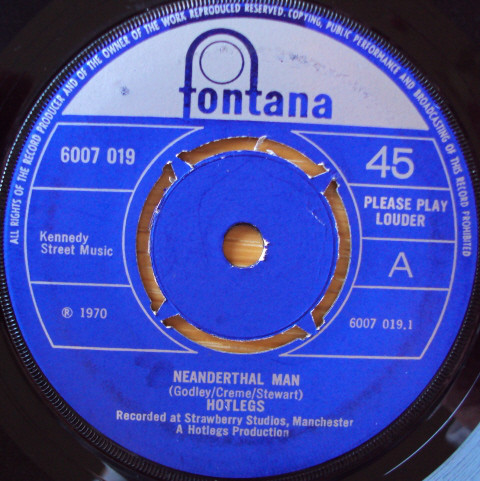
George Tremlett’s The 10cc Story (1976) recounts how Kevin Godley, Lol Creme, and Eric Stewart recorded “Neanderthal Man” as a drum sound test, after which Fontana label owner Dick Leahy told them that the strange-sounding track with the muted vocals struck him as a surefire hit. His hunch paid off, and the UK #2 single served as a precursor to the smart borderline-novelty offerings in which the Hotlegs threesome’s future group 10cc would specialize. “Neanderthal Man” sounds in retrospect like a record that pokes fun at the folk-chant love-in sound that John Lennon had brought to Top 40 radio with “Give Peace a Chance,” and which Hotlegs rephrases for the sexually preoccupied seventies. The original Fontana label for the UK single instructs all listeners to “Please Play Louder.”

“Shapes of Things” (1973) – David Bowie


“Shapes of Things” (1973) – David Bowie
 * Written by Paul Samwell-Smith, Jim McCarty, and Keith Relf (uncredited) * LP: Pinups *Produced by Ken Scott and David Bowie * Label: RCA

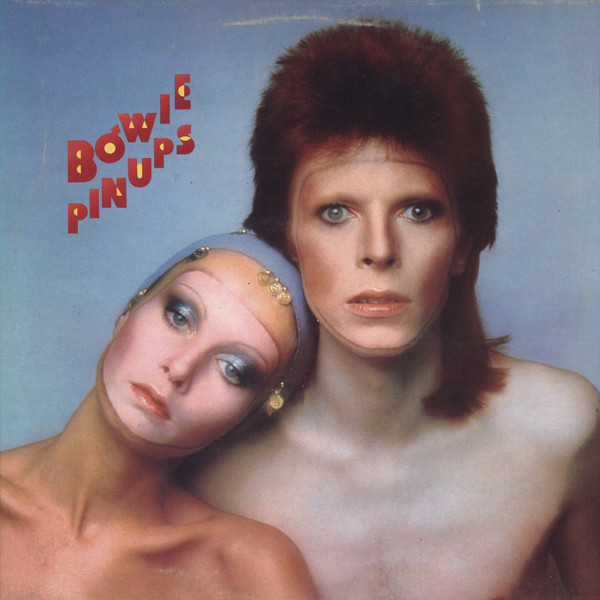
David Bowie’s Pinups—an album of covers from mid-sixties London bands—is a source document for the UK glam sound that his Ziggy Stardust record had sent to the earth’s orbit the previous year. His version of the Yardbirds’ issue-conscious “Shapes of Things,” for example, features the following ingredients: Mick Ronson’s cruch guitar, cockney yob vocals by Bowie, vortex backup voices, and space-case strings at :51 and 2:10. The strings, in fact, are what make this a special track you should listen to all the way through. The disc’s label leaves out the name of Keith Relf in the writer credits, even though the original Yardbirds record includes him.

“Stairway to Heaven” (1972) – Led Zeppelin


“Stairway to Heaven” (1972) – Led Zeppelin * Written by Jimmy Page and Robert Plant * LP: Led Zeppelin IV * Produced by Jimmy Page * Label: Atlantic

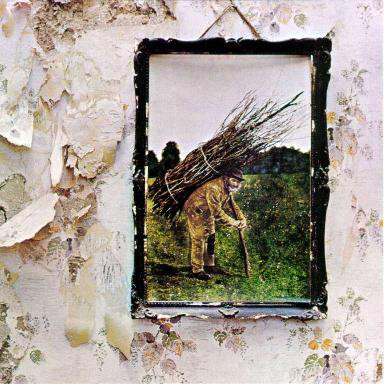
The most powerful records will get dragged ad infinitum through the cultural shredder but somehow survive with their core aesthetics, messages, and attractions intact. “Stairway to Heaven,” Led Zeppelin’s mystic epic from their fourth album, is a case in point. Too long at eight minutes to be released as a 45, the song nonetheless racked up enough uncut airplay on FM and AM hit radio stations to qualify for burned-out status by the mid-seventies. Its enchantments persist to the present day, though, where lawyers keep poking at it to see if money will come out. Its connection with Spirit’s “Taurus” is the latest courtroom controversy, but is the Chocolate Watchband, whose “And She’s Lonely” presents a stronger case, waiting in the wings? And what happens after that? Unfortunate TV or movie associations? Ill-advised cover versions? Yes, all of that and them some. But your memories of that guitar intro drifting out from your glowing radio in the dark many years ago will always remain safe.

“Wrong Side of the River” (1971) – Mott the Hoople


“Wrong Side of the River” (1971) – Mott the Hoople
 * Written by Mick Ralphs * Produced by Mott the Hoople * LP: Wildlife * Label: Island (UK); Atlantic (US)  

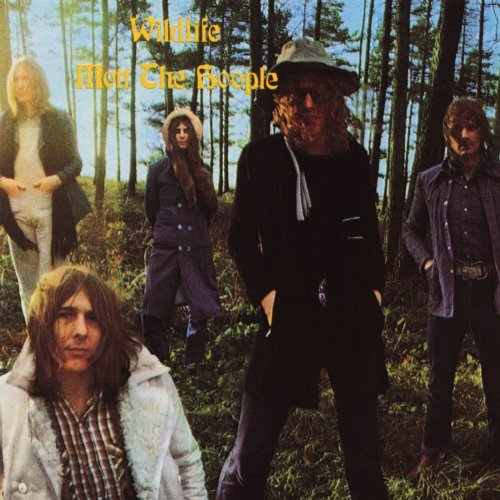
Mott the Hoople took their name from a little-read novel about an outsider who considers becoming a normal Joe, or “hoople.” The name seemed to fit a group who ran in British glam circles, but whose foundational rock values connected them especially with the working class audiences in Cleveland and Detroit. They called their third album Wildlife, a testament to the earth themes running through the popular consciousness back then, which the music signifies mostly through the piano and acoustic guitar sounds on side one. Mick Ralph’s “Wrong Side of the River” is a highlight in 3/4, starting pensively then swelling into the types of organ-driven crescendos we’d heard on the band’s debut album. Rod Stewart would lift the opening piano phrase note-for-note for his “Baby Jane” (1983), assuming, perhaps, that he was merely mimicking an uncopyrightable “arrangement,” the way he’d done for “Da Ya Think I’m Sexy” with Bobby Womack’s “(If You Want My Love) Put Something Down on It.”

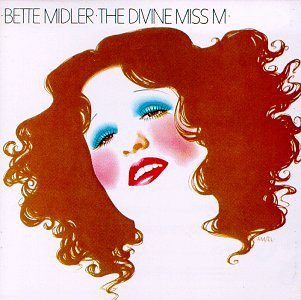
“Chapel of Love” – Bette Midler (1972)


“Chapel of Love” – Bette Midler (1972)
 * Written by Jeff Berry, Ellie Greenwich, and Phil Spector * 45: “Friends” / “Chapel of Love” * LP: The Divine Miss M. * Produced by Barry Manilow, Geoffrey Haslam, and Ahmet Ertegun * Label: Atlantic

Bette Midler’s Divine Miss M introduced her as a cabaret attraction tailor-made for early seventies audiences who nursed sixties rock hangovers and craved nostalgia. Her updated takes on the Andrews Sisters’ “Boogie Woogie Bugle Boy,” Bobby Freeman’s “Do You Wanna Dance,” and the Dixie Cups’ “Chapel of Love” (as a double A-side with “Friends”) all made the Top 40, and none of those leaned too far toward campiness to detract from the originals’ joyful spirit. (Camp factors are certainly crucial to their appeal, though. When Midler sings about “going to the chapel,” you imagine the gaudy Vegas quickie variety.) The album version of “Chapel of Love,” with its sashaying, Laura Nyro-style piano, outshines the 45’s alternate arrangement, which has too many flutes and things. Both versions include the closing tag borrowed from Don and Juan’s “What’s Your Name,” but only on the album track can you hear Midler declaring it a “pits ending.”

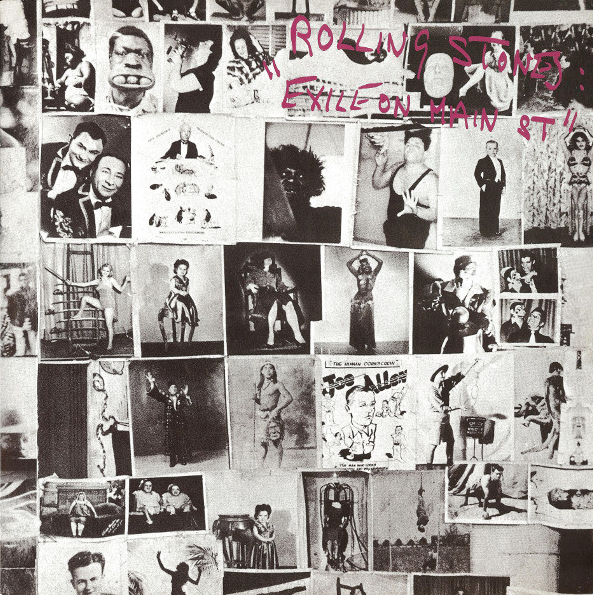
“I Just Want to See His Face” (1972) – The Rolling Stones


“I Just Want to See His Face” (1972) – The Rolling Stones
 * Written by Mick Jagger and Keith Richards * LP: Exile on Main Street * Produced by Jimmy Miller * Label: Rolling Stones Records

“I Just Want to See His Face,” which fades in and fades out near the end of side 3 on the Rolling Stones’ Exile on Main Street, is like a moment when that album’s blood gets tested and American gospel is confirmed, indeed, to run through the album’s veins. Derek and the Dominos keyboardist Bobby Whitlock has claimed to have lost out on rightful album credits, describing the session as a Wurlitzer piano riff he concocted in response to Mick Jagger’s queries about his religious upbringing. Did Jagger also have the Rufus H. Cornelius 1916 hymn “Oh I Want to See Him” running through his mind, with its prominent “just to see his face” line in the chorus? Possible recordings of it that may have reached his ears include ones by Mother McCollum’s Sanctified Singers (1930), James Cleveland and the Cleveland Singers (1964), or the Famous Davis Sisters (1967). Whatever the case, Jagger would be stirring gospel into goat’s head soup while dancing with Mr. D. in 1973.

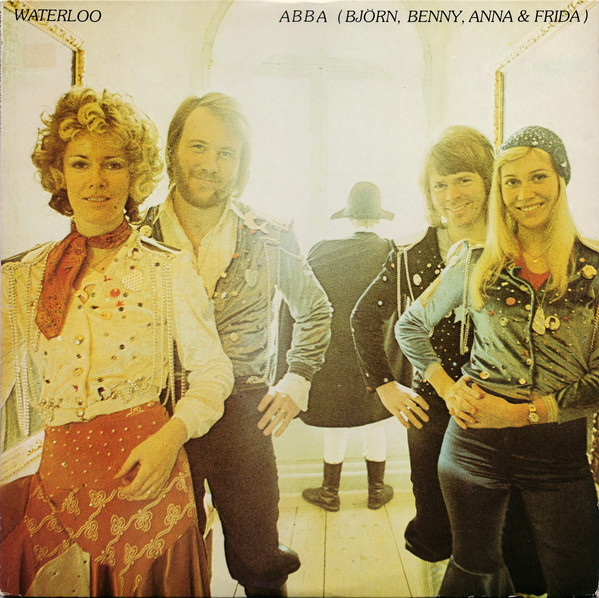
“King Kong Song” (1974) – Abba


“King Kong Song” (1974) – Abba
 * Written and produced by Björn Ulvaeus and Benny Andersson * LP: Waterloo * Label: Atlantic

Those who’ve invested emotionally in Abba as songcraft sophisticates likely wince at songs like this, in which they instruct listeners to “let your arms hang down and waddle all around.” Those who experienced the sugar high of the 1974 Abba invasion as kids, though, will regard it as novelty gold. On the Swedish foursome’s first US album, “King Kong Song” happened to follow a track called “Sitting in the Palmtree,” in which Björn Ulvaeus sings of living like “a monkey in the zoo.” The Beach Boy “bom bom” vocals locate it smack in the middle of the seventies nostalgia boom.