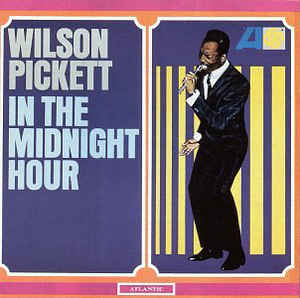
“In the Midnight Hour” (1965) – Wilson Pickett


“In the Midnight Hour” (1965) – Wilson Pickett
 * Written by Steve Cropper and Wilson Pickett * 45: “In the Midnight Hour” / “I’m Not Tired” * LP: In the Midnight Hour * Label: Atlantic

As a song, “In the Midnight Hour” is an irresistibly coverable soul primer. As a recording, Wilson Pickett’s original version is untouchable. The stories told about it involve uncredited producer Jerry Wexler demonstrating dance steps to insure that Al Jackson (drums), Steve Cropper (guitar), and Donald “Duck” Dunn (bass) would punch the backbeat hard on the 2 and 4. They also tell of Cropper and Pickett composing it in the Lorraine Motel (later the assassination site of Martin Luther King, Jr.), and of Cropper claiming to have secularized an early Pickett gospel recording that had also included the words “in the midnight hour.” (He was likely remembering Pickett’s already secular “I Found a Love” with the Falcons.) The record’s ultimate power, though, is Pickett’s vocal, which sounds like a man manipulating hurricane winds.

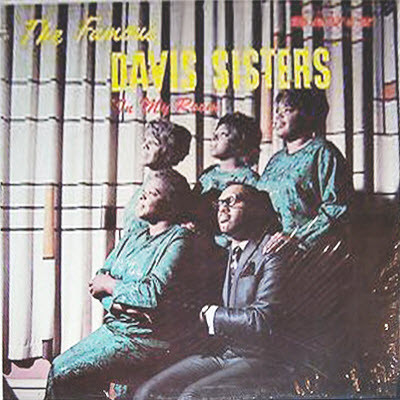
“I Want to See Him” (1967) – The Famous Davis Sisters


“I Want to See Him” (1967) – The Famous Davis Sisters
 * Written by Rufus H. Cornelius * LP: In My Room * Label: Savoy

In Ruth “Baby Sis” Davis, this Philadelphia gospel group had a lead singer with the sort of command that could calm a storm but also stir one up. This version of the 1916 Rufus H. Cornelius hymn came out in 1967, and although it’s not clear if it’s a recording that had gotten into Mick Jagger’s head for the Stones’ “I Just Want to See His Face,” it would speak well of him if it was.

“My Way” (1969) – Frank Sinatra

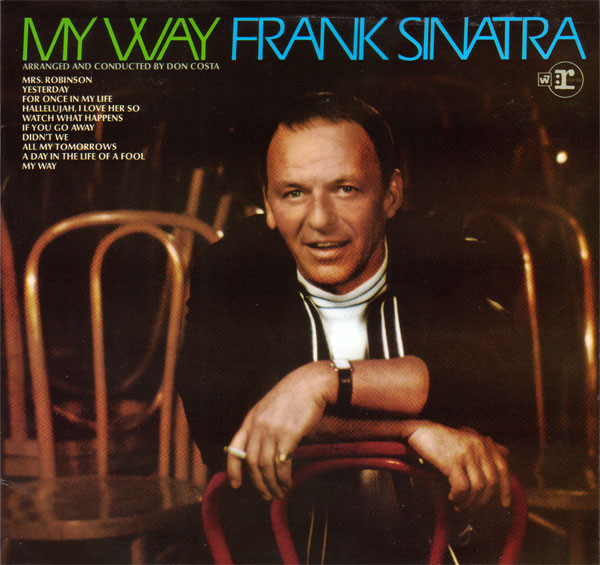
“My Way” (1969) – Frank Sinatra * Written by Claude Francois, Gilles Thibaut, Jacques Revaux, Paul Anka * LP: My Way (Reprise, 1969) * 45: “My Way”/”Blue Lace” (Billboard #27, easy listening #2) * Produced by Sonny Burke * Arranged by Don Costa

Paul Anka took a melody from a song he’d heard in France and wrote the lyrics of a lifetime for Frank Sinatra, who had mentioned to Anka he was thinking of retiring. The song became something of a signature ball and chain for Sinatra, who kept on performing long past 1969. (Had he known “My Way” would someday turn into a deadly machismo-measuring tool in Filipino karaoke bars, he might have scrapped it altogether.) Sinatra famously insisted on doing his vocals in one take, which adds a fascination factor to his records. On this otherwise iconic version of “My Way,” though, the spell gets broken because of an obvious splice after the first chorus at 2:26.

“Meridian Leeward” (1968) – Nazz

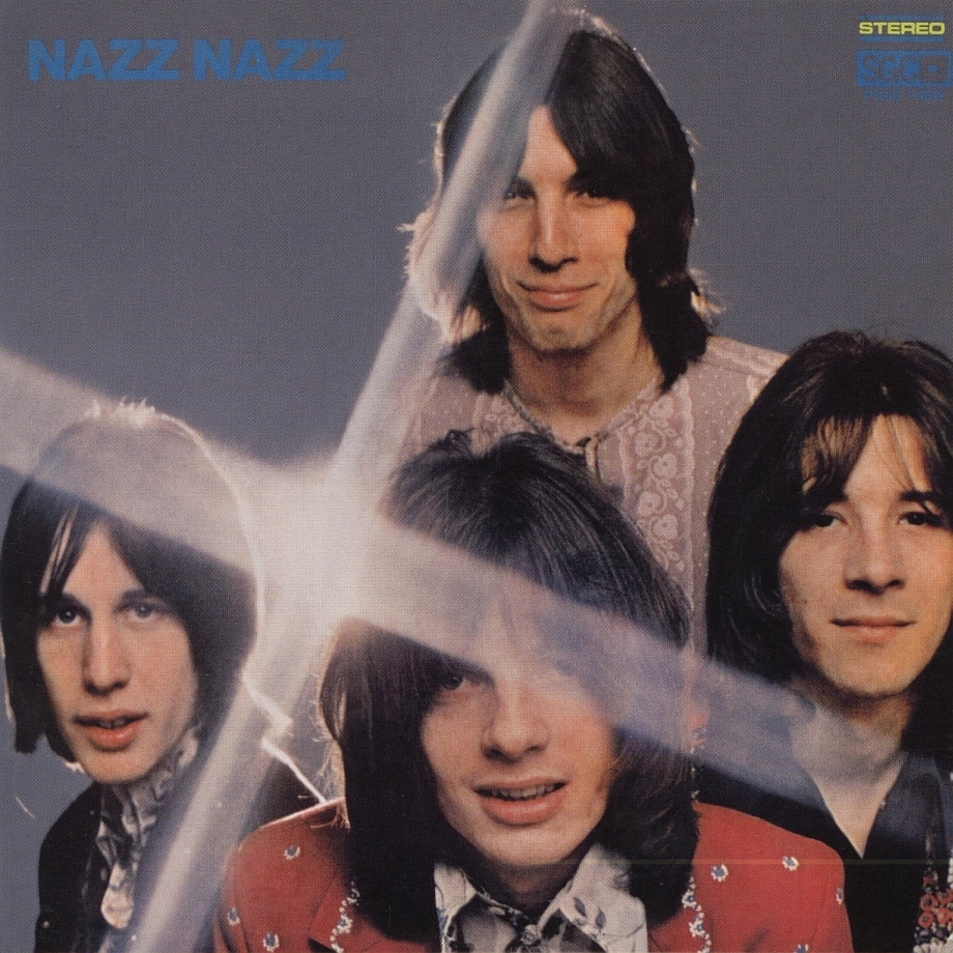
“Meridian Leeward” (1968) – Nazz * Written by Todd Rundgren * LP: Nazz Nazz * Produced by Nazz * Label: SGC 

We can assume some sort of Animal Farm or youth culture angle inspired this Nazz song about a human who used to be a pig. It stands out among other tracks on the group’s sophomore Nazz Nazz album, though, because of the bewildered discomfort in singer Stewkey Antoni’s delivery. No wonder the group’s clearly mismatched songwriter Todd Rundgren moved on after this album.

“Acostumbrado a ver T.V. los Martes 36” (1968) – Los Shakers


“Acostumbrado a ver T.V. los Martes 36” (1968) – Los Shakers
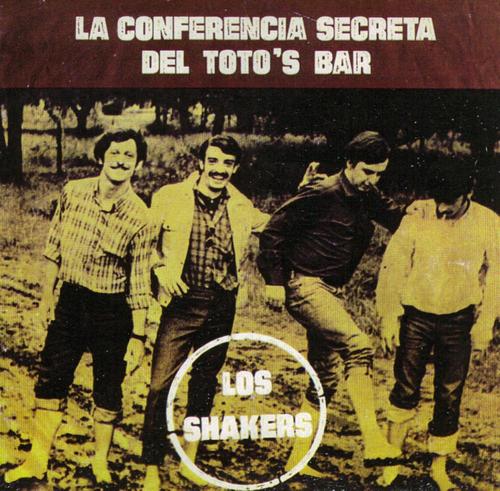
* Written by Hugo Fattorusso and Osvaldo Fattorusso * LP: La Conferencia Secreta del Toto’s Bar * Label: Odeon Pops

Los Shakers, who sang in heavily accented English, were Uruguay’s very own mop tops, and they enjoyed a pan-South American following during the sixties. In spite of their brazenly derivative approach, the group’s knack for hooks and cheerful guilelessness – featuring the kind of vibrato-free vocals typical of children – is both endearing and addictive. Their La Conferencia Secreta del Toto’s Bar, long title and all, aims for the Sgt. Pepper album’s levels of philoso-poetry, but ends up winning listeners over with its bossanova-tinged hooks and ESL charm. “Acostumbrado a ver T.V. los Martes 36” is one of its highlights, using a “Day in the Life” news motif (the title translates to “I used to watch TV on Tuesday 36”). “Here I am in my chair,” they sing with gusto. “I try to found the channel that I used to watch, a special one that never has commercial talk.”

“Achmed” (1969) – Heads, Hands and Feet


“Achmed” (1969) – Heads, Hands and Feet
 * Written by Tony Colton and Ray Smith * LP: Home from Home (The Missing Album) * Produced by Tony Colton * Label: Pucka

Here’s a short but punchy trifle from the underappreciated supergroup Heads, Hands and Feet’s posthumously released Home from Home (The Missing Album) (1995). It was actually the second album recorded by their earlier incarnation, Poet and the One Man Band. MGM/Verve, who released that group’s debut, ended up shelving this follow up, after which the newly re-christened quintet considered using it for their own debut on Capitol, opting instead to record something new. Both incarnations of the band included chicken pickin’ guitarist Albert Lee, so he usually gave their songs his instrumental signature. This one, though, is all about Pat Donaldson, a tall, mutton-chopped bassist who went on to become a fixture on the British folk rock scene. His foundational groove on this will certainly be sampled someday and turned into a powerhouse dance/rap track. Also featured: politically incorrect faux-Arabic that mostly references cuisine. Future “cockney rock” practitioner Chas Hodges ended up taking Donaldson’s place shortly after this was recorded. 

“Oud Solo” (1966) – The John Berberian Ensemble

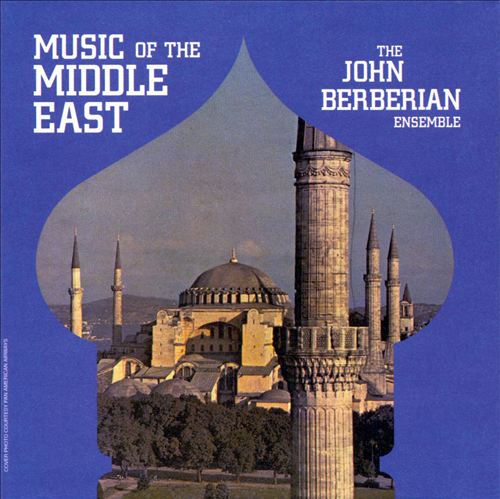
“Oud Solo” (1966) – The John Berberian Ensemble * Written by Trad. Arr. * Produced by Peter Spargo * LP: Music of the Middle East * Label: Routlette


Born in New York City to Armenian immigrant parents, oud master John Berberian introduced the fascinating sounds of his heritage to many an American ear during the 1960s. His music’s immediate danceability, too, didn’t compromise any of its authority. What ever happened to the once-prolific Berberian, whose prodigious output appeared on labels like MGM, Roulette, and Verve? Nothing dramatic. He still makes music, but he simply allowed his life to diversify in other directions.

“Don’t Make Promises” (1967) – Gary Puckett and the Union Gap

“Don’t Make Promises” (1967) – Gary Puckett and the Union Gap * Written by Tim Hardin * 45: * “Woman, Woman” / “Don’t Make Promises” * LP: The Union Gap Featuring Gary Puckett * Produced by Jerry Fuller * Label: Columbia

The costume gimmick didn’t match the sound of Gary Puckett’s group at all: his big casino voice and the records’ bloated arrangements (mostly by Al Capps) catered, with financial savvy, to the other side of the generational divide. Then as now, kids were likely to change the station on parent-friendly hit songs like “Woman, Woman,” “Lady Willpower,” and “Young Girl.” But in the Union Gap’s hands, Tim Hardin’s “Don’t Make Promises,” a song admittedly hard to go wrong with, gets an ideal commercial treatment.

“Cozumel” (1969) – Los Sonor’s

“Cozumel” (1969) – Los Sonor’s * Written by Flores and Mari * 45: “Cozumel” / “El Tudel” * Label: Peerless

This Michoacan organ + sax attack, a tribute to the Caribbean island near Cancun, came out in 1969, sold big, and became a party staple south of the border by 1970. You’ll feel even more like dancing if you watch Los Sonor’s (The Sounds) perform it. The songwriting is credited to “Flores and Mari,” who are mysteries for now. If you go hunting for more from this group’s catalog, you’ll come across rock ‘n’ roll en español records by Los Sonor, a group from Spain. This is a different entity from our cumbia combo in question (who always used an apostrophe s). Los Sonor were, in fact, an early incarnation of Los Bravos (“Black is Black”).  

“Act Nice and Gentle” (1967) – The Kinks

“Act Nice and  Gentle” (1967) – The Kinks * Written by Ray Davies * 45: “Waterloo Sunset” / “Act Nice and Gentle” * Produced by Shel Talmy * Label: Pye

Jug-rock flipside for the UK version of the Kinks’ “Waterloo Sunset” single. This is a song that would have suited the Lovin’ Spoonful nicely, but perhaps they’re the ones that inspired Ray Davies. Covered by the Black Keys in 2004, who demonstrate it to be suitable sludge material.