“All Night Long” (1966) – The Animals

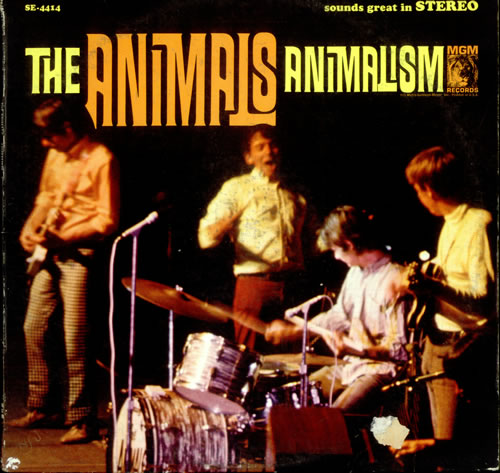
“All Night Long” (1966) – The Animals * Written by Frank Zappa * LP: Animalism * Produced by Tom Wilson * Label: MGM

The Animals arrive at LAX. This is one of the last tracks recorded by the first incarnation of the Birmingham blues rockers, including aviophobic organist Alan Price, before they would disband and reform as “Eric Burdon and…” Written and arranged by Frank Zappa (who also plays guitar), the song stands out for its jet-fueled, raga-psych instrumental breaks that punctuate the blues verses lifted from Jimmy Reed.

“After the Fox” (1966) – The Hollies

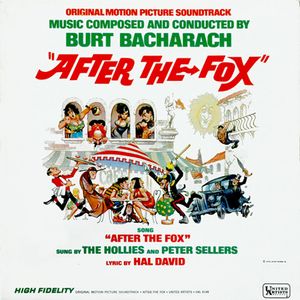
“After the Fox” (1966) – The Hollies * Written by Burt Bacharach and Hal David * 45: “After the Fox” / “The Fox-Trot” * LP: After the Fox (soundtrack) * Producer: A.I.R. (London) Ltd. * Label: United Artists

“After the Fox” is a lesser known Burt Bacharach/Hal David movie theme featuring harpsichord and beguiling chord changes. Released the year after What’s New Pussycat, the song plays during a candy-colored, animated intro (linked below). Leading man Peter Sellers provides comical interjections between the Hollies’ lead vocals. The After the Fox film, more appreciated today than in 1966, serves as a cineaste’s field day with its numerous industry in-jokes.

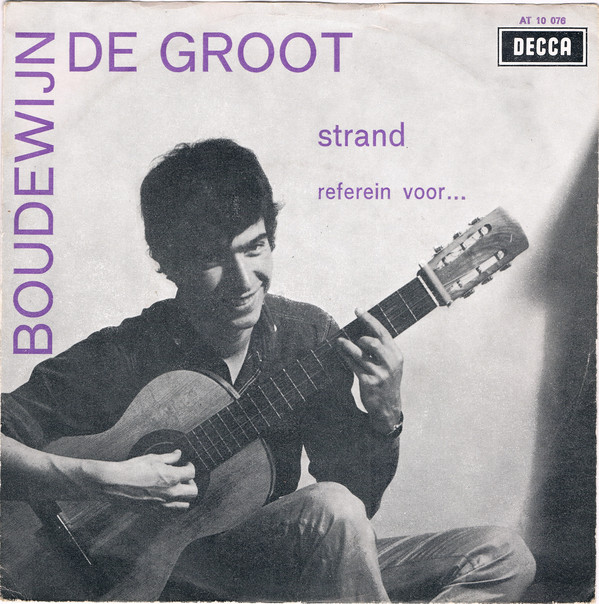
“Strand” (1967) – Boudewijn De Groot

“Strand” (1967) – Boudewijn De Groot * Written by Boudewijn De Groot and Lennaert Nijgh * Netherlands 45: “Strand” / “Referein Voor…” * Label: Decca

A Dutch singer-songwriter with a successful 50+ year career, Boudewijn de Groot’s first single appeared in 1964. It’s called “the beach” and enumerates, in rapid-fire fashion, all the memorable things that can happen there: sunburn, fights, poker, hanky panky, crosswords, car crashes, french fries, keggers, arrests, and if translations are reliable, swimming “like a rat.” The Beach Boys this ain’t.

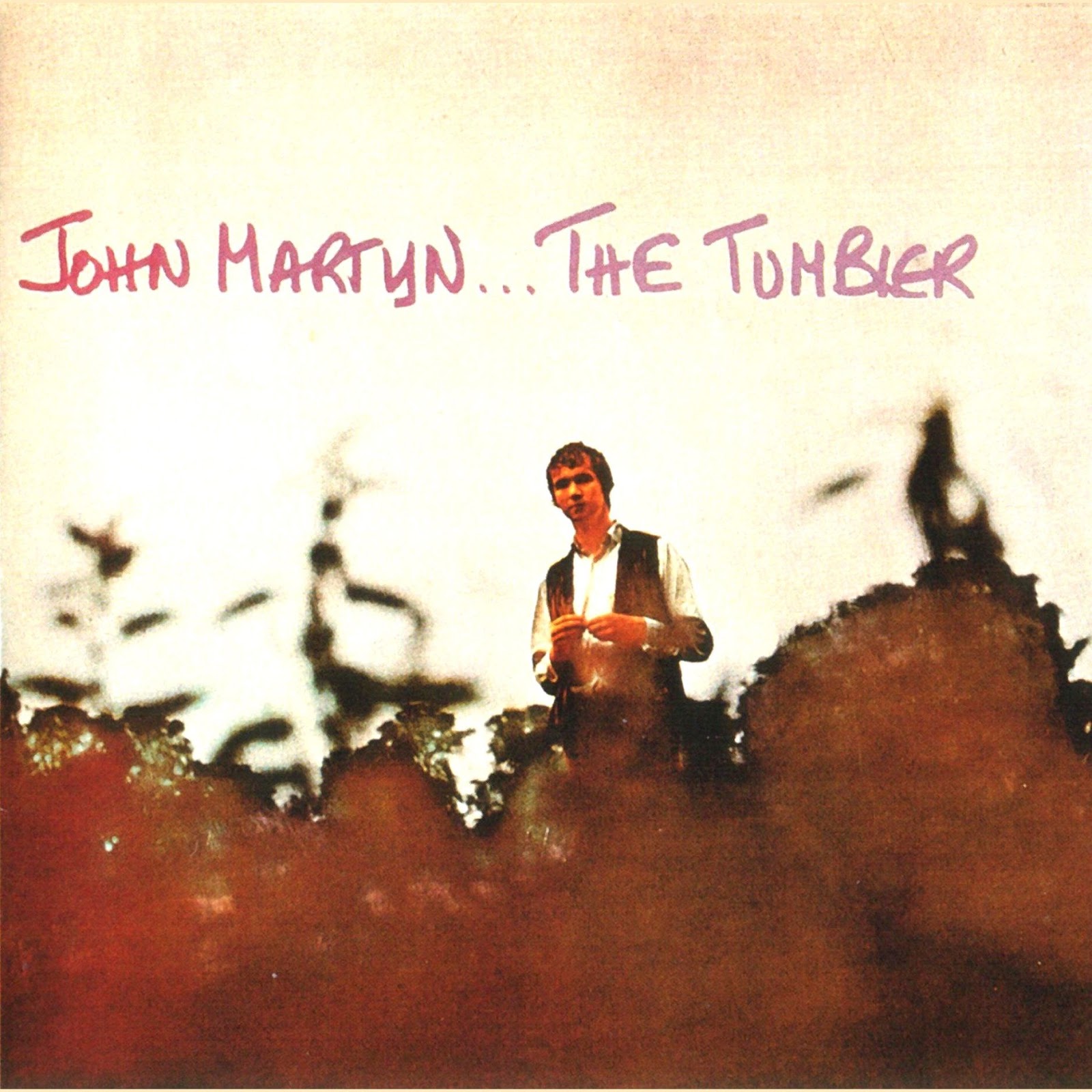
“Hello Train” (1968) – John Martyn

“Hello Train” (1968) – John Martyn * Written by John Martyn * LP: The Tumbler * Produced by Al Stewart * Label: Island

The John Martyn from his first two albums (London Conversation and The Tumbler) is a different John from his legend. On these, his percussive trademark guitar had already begun emerging, but their pastoral tweeness would begin wilting away by album three (Stormbringer) onward. One could likely construct a full children’s album out of certain selections from his 1967-1970 output. After hearing the kid-friendly “Hello Train,” with its “April Fool” refrain and backwards tape loops, you may never let an April 1st go by without the song clickety-clacking through your head.

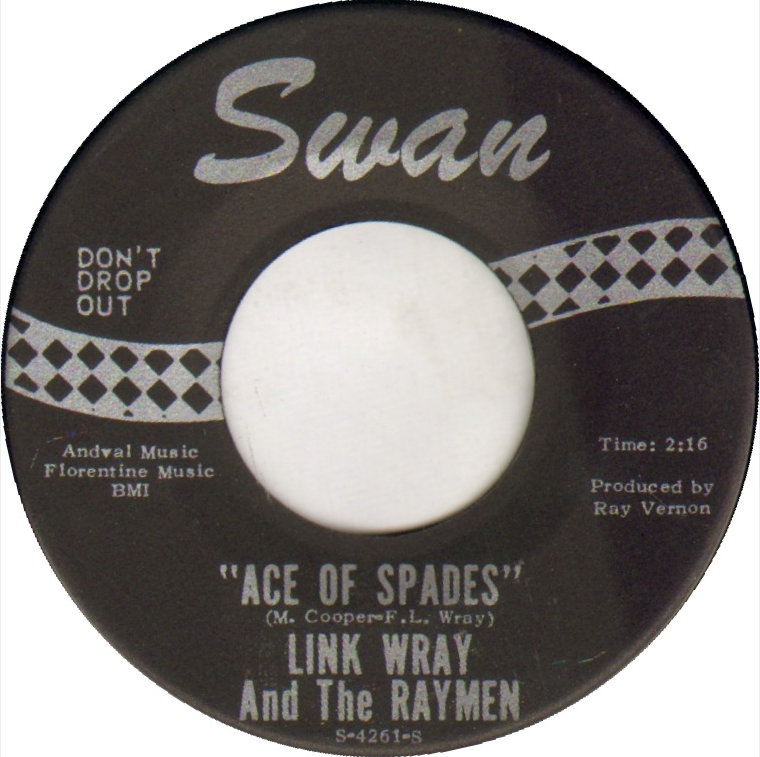
“Ace of Spades” (1965) – Link Wray

“Ace of Spades” (1965) – Link Wray * Written by Link Wray and Mark Cooper * 45: “Ace of Spades” / “Hidden Charms” * Produced by Ray Vernon * Label: Swan

Menacing nighttime music from the man who had composed the only instrumental record to be banned. But if “Rumble” sounded like leather-jacket gang warfare, “Ace of Spades” sounded like a lone delinquent stalking a deserted boulevard at 3 AM. Dangerous too, but in a different way. Music like this gives the “Don’t Drop Out” message that appeared on mid-sixties Swan releases an embossed effect. Co-writer “Mark Cooper” was an alias for Milt Grant, who hosted a TV show called The Record Hop that boasted Wray and the Raymen as its house band. His song credits are likely of an honorary wheel-greaser nature; none of the Norton label’s Link Wray reissues include him.

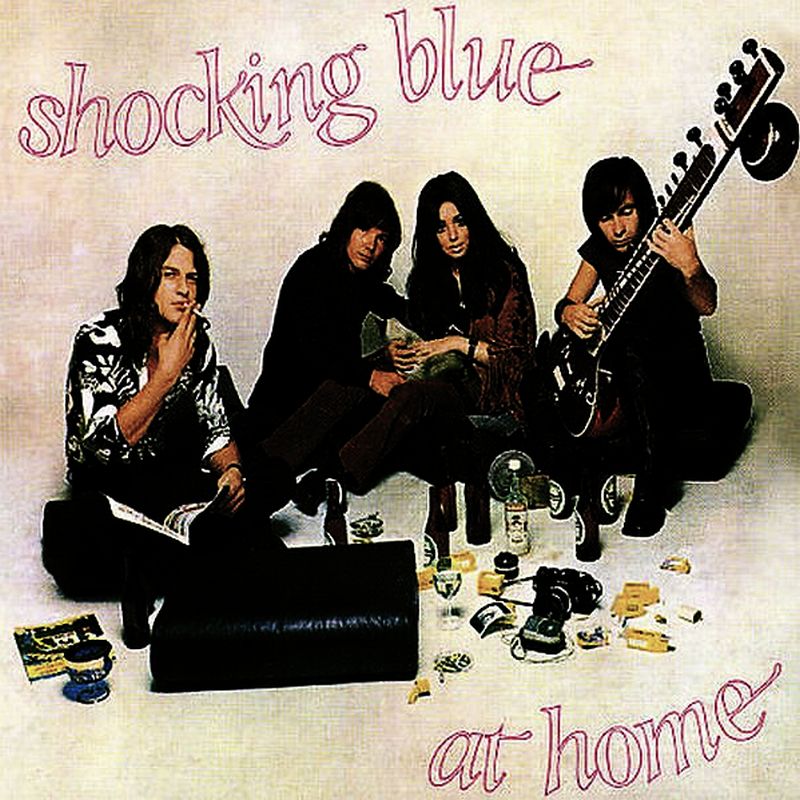
“Acka Raga” (1968) – Shocking Blue

“Acka Raga” (1968) – Shocking Blue * Written by John Mayer * LP: At Home * Produced by Shocking Blue * Label: Pink Elephant

None of the official compilations for the Dutch “Venus” group do justice to their facility with the three minute pop song. You have to go digging through all of their album cuts and B-sides and construct your own playlist. “Acka Raga” is a post-pyschedelic sitar instrumental, a cover of a track from the Joe Harriott-John Mayer Double Quartet’s 1967 Indo-Jazz Fusion LP. In 1999, a techno group called Mint Royale covered the song and retitled it, but hilariously claimed writer credits, giving Harriott-Mayer liner note honors for the “sample.” They even had the song placed in the Alias TV show and the Vanilla Sky film soundtrack. How did the licensing for that go down?

“Dear Prudence” (1968) – The Beatles

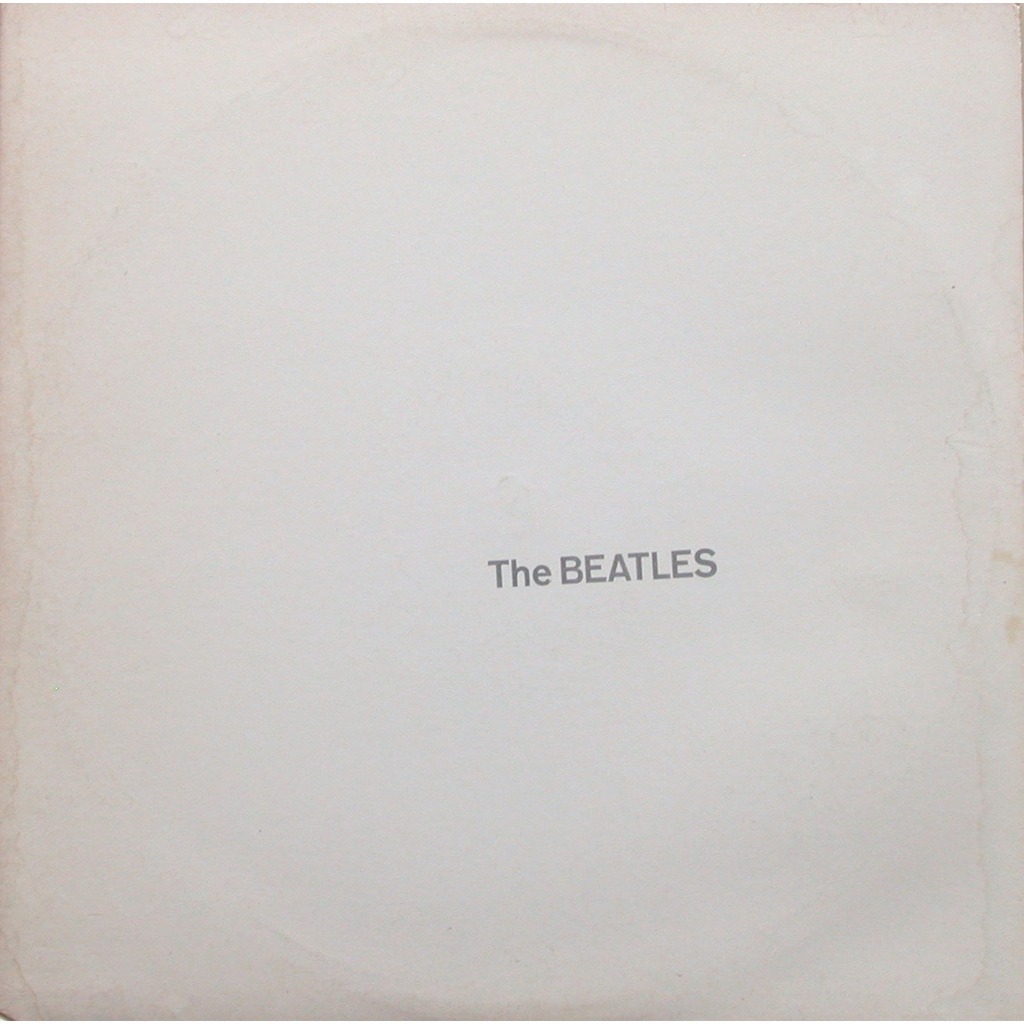
“Dear Prudence” (1968) – The Beatles * Written by John Lennon and Paul McCartney * LP: The Beatles * Produced by George Martin * Label: Apple

This eminently coverable John Lennon song (never released as a single) from the White Album featured a descending chord pattern and children’s rhyme melodies that flitted about like Maypole ribbons. Written during the Beatles’ celebrity-studded summer audience with the Maharishi Mahesh Yogi, it drew inspiration from Mia Farrow’s sister Prudence, a fellow student who preferred to meditate in private. On the Kinfauns Demo version of the song, you can hear Lennon wondering aloud if the Maharishi had driven her “berserk” or “insane.” She has since written an autobiography.

“Little Miss Sad” (1965) – The Five Empressions

“Little Miss Sad” (1965) – The Five Empressions * Written by Dick Addrisi and Don Addrisi * 45: “Little Miss Sad” / “Hey Lover” * Label: Freeport

From Benton Harbor, Michigan, this thumping, not-sad-but-happy cover of a 1964 non-charting Addrisi Brothers A-side climbed to #74 in Billboard the following year. Radio station WLS in nearby Chicago had spun the small-label track enough to blast it into the over-achievement zone. The Five Emprees (originally the Five Empressions on the single’s first pressing until Curtis Mayfield’s established trio said “ahem”) probably needed a larger label to take them to the next step, but a few more effervescent recordings like this one also wouldn’t have hurt. Later pressings of “Little Miss Sad” credited to the Five Emprees were re-recordings with added horns.

“Abba Zabba” (1966) – Captain Beefheart and His Magic Band


“Abba Zabba” (1966) – Captain Beefheart and His Magic Band
* Written by Don Van Vliet * LP: Safe as Milk * Produced by Bob Krasnow and Richard Perry * Label: Buddah

“Abba Zabba” foretells the hypnotic, jungle-chant quality Beefheart would bring to his future catalog. But its vocal patter also brings to mind eighties celebrity reports locating Beefheart as a Jack Nicholson-style regular at Los Angeles Lakers games, where he presumably classified the rhythms of bouncing basketballs as a distinct musical genre. So the late Beefheart resembled the old one; he “jumped in a circle,” like the farmer in his “Floppy Boot Song.”

“Old Man” (1967) – Love

“Old Man” (1967) – Love * Written by Bryan MacLean * LP: Forever Changes * Produced by Bruce Botnick and Arthur Lee * Label: Elektra

Love’s Forever Changes album came out in 1967, and its virtual non-reception led toward the classic lineup’s dissolution. The band, of course, had its issues with drugs and chief songwriter Arthur Lee’s infamous reluctance to tour. But the music too, with its offbeat lyrics about “the times,” lush orchestrations, and epic song structures, required some years to catch on. By the ’70s it had become a beloved cult classic, more potent as a relic than as a contemporary statement. Among the oddest tracks on the already-odd album was Bryan MacLean’s “Old Man”—the only one not sung by Arthur Lee. It features unpredictable chord changes and melody lines with a timid lead vocal that sounds as though MacLean is imitating a Scotsman. And the lyrics, about an aged mentor who gives the singer words of wisdom and a mysterious leather book, ring with vintage, pre-1968 quaintness. Later demo recordings of the song by MacLean find him really belting it out and losing the accent.